Pipe relining in Sydney typically costs between $1,000 and $1,500 per metre — but the final price for your project depends on several variables. This guide breaks down every factor that influences what you’ll pay, so you can budget with confidence before committing to a pipe relining project.
If you’ve received a pipe relining quote — or you’re researching costs before calling — you’ve probably noticed the price range is wide. That’s because pipe relining isn’t a one-size-fits-all service. The cost of your project depends on a combination of site-specific factors that can only be accurately assessed after a CCTV pipe inspection.
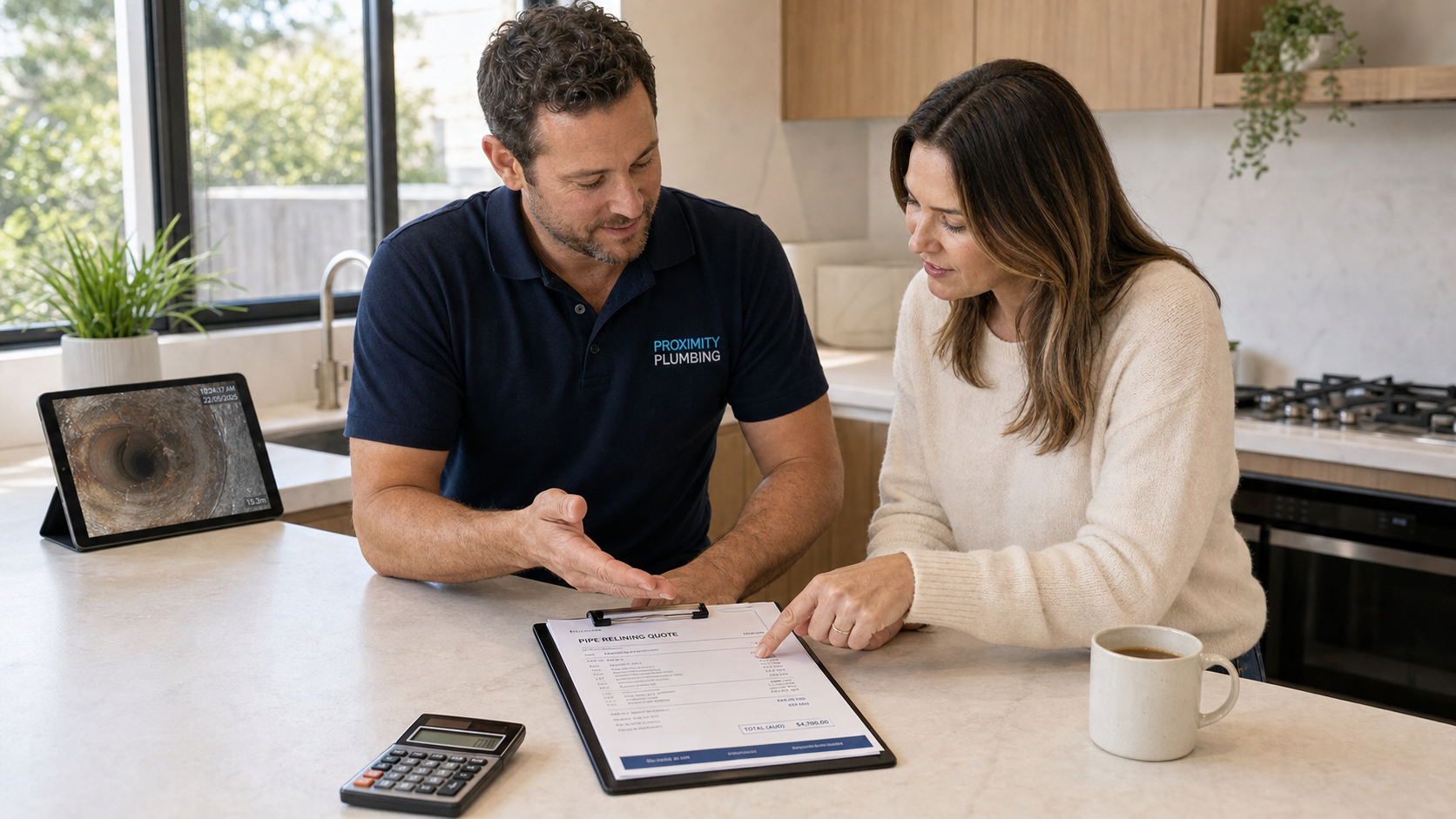
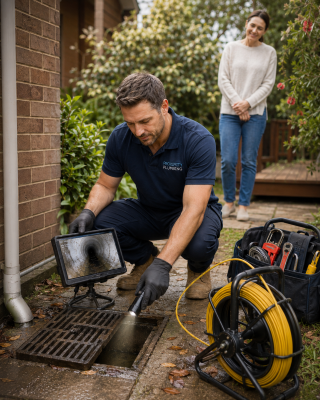
At Proximity Plumbing, we believe in transparent pricing. We don’t use bait-and-switch tactics or hidden charges. Every quote starts with a mandatory CCTV inspection so we can show you exactly what’s happening inside your pipes and explain precisely what drives the cost. This guide covers the same factors we walk through with every customer.
The 7 Factors That Determine Pipe Relining Cost in Sydney
Each of these factors influences your final quote. Most projects are affected by three or four; complex jobs touch on all seven.
Factor 1 of 7
1
Pipe Location & Accessibility
Where your pipe is located has the single biggest impact on pipe relining cost. A pipe running through an accessible garden bed is straightforward to reach. A sewer pipe buried under a concrete slab, beneath a driveway, inside a wall cavity, or under a multi-storey building requires significantly more setup, equipment and time.
For pipes under slabs or driveways, accessing the pipe for the initial CCTV inspection and liner insertion may require core drilling through concrete. While this is still far less disruptive than full excavation for pipe replacement, it adds cost to the project.
Depth also matters. Deeper sewer mains require longer equipment runs and more complex access arrangements than shallow stormwater drains.
Factor 2 of 7
2
Pipe Diameter & Length
Pipe relining cost scales directly with the amount of liner material and epoxy resin required. Larger diameter pipes (100mm, 150mm, 225mm+) use more material per metre than standard 65mm or 80mm waste lines. Longer pipe runs multiply this material cost across the full distance.
A 5-metre reline of a 65mm bathroom waste pipe will cost significantly less than a 20-metre reline of a 150mm sewer main — even though the per-metre rate may be similar.
Factor 3 of 7
3
Severity & Type of Damage
The condition of the existing pipe directly affects preparation time and relining complexity.
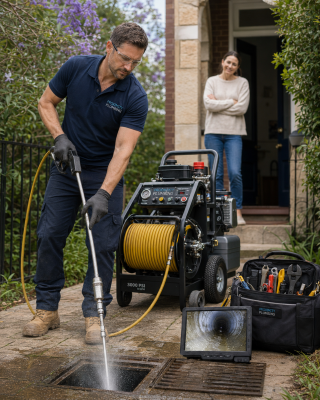
Minor cracks and small root intrusion points are relatively straightforward — the pipe is cleaned, the liner is installed, and the job is done. However, heavily root-affected pipes require extensive hydro-jetting and sometimes robotic root cutting before the liner can be installed. Corroded cast iron pipes with significant internal scale buildup need thorough cleaning to create a proper bonding surface.
Pipes with multiple bends, diameter changes or significant joint displacement require more careful installation technique and may need additional liner sections.
The only damage pipe relining cannot address is a fully collapsed pipe where the structural form has been lost. In those cases, excavation and replacement of the collapsed section is necessary before relining can continue either side.
Factor 4 of 7
4
Number of Junctions
Every junction — where a branch pipe connects to the main line — requires robotic cutting after the liner is installed. The relining process seals over these junctions, and they must be precisely reopened from inside the relined pipe using a remote-controlled cutter.
Each junction adds 30–60 minutes of work and associated cost. A residential sewer line with connections from two bathrooms, a kitchen and a laundry may have 4–6 junctions, while a simple single-run stormwater drain may have none.
Factor 5 of 7
5
Relining Method Used
Different relining methods suit different situations, and each carries different cost profiles.
CIPP inversion relining (our primary method) is the most comprehensive option. It creates a full structural liner across the entire damaged section and is best suited for moderate to severe damage across longer runs. This method uses the most material but delivers the longest-lasting result.
Patch relining targets a specific damaged area — typically a single crack, joint break, or localised root entry point — without relining the entire pipe. This is more cost-effective when the rest of the pipe is in good condition and only a small section needs repair. See the types of pipe relining we offer.
Factor 6 of 7
6
Property Type & Working Conditions
Residential homes with straightforward access are the most common and cost-effective projects. Commercial properties, strata buildings, schools, and hospitality venues introduce additional variables:
Working hours restrictions — some venues require after-hours or weekend work, which may affect scheduling.
Multi-level access — high-rise strata buildings may require equipment staging across floors and coordination with building management.
Traffic management — pipes under public footpaths or roads may require council permits and traffic control.
Heritage restrictions — heritage-listed properties may have specific requirements around how work is carried out and what can be disturbed.
Scheduled pipe relining — where you’ve had a CCTV inspection, received a quote, and booked a convenient time — is the most cost-effective approach. You have time to compare options and plan around the work.
Emergency pipe relining — where a sewer has failed and needs urgent attention — follows the same process but may involve after-hours attendance. At Proximity Plumbing, we don’t charge a call-out fee even for urgent work, and our 24/7 availability means you won’t pay inflated emergency premiums.
Pipe Relining Cost vs Pipe Replacement Cost in Sydney
One of the most common questions we hear is whether pipe relining is cheaper than pipe replacement. In most Sydney scenarios, the answer is yes — typically 20–40% less.
The cost advantage of pipe relining is most dramatic for pipes in hard-to-reach locations. A sewer line under a concrete driveway might cost $6,000 to reline but $20,000+ to replace once you factor in concrete cutting, excavation, pipe installation, backfill, and driveway restoration.
For exposed pipes in accessible locations, the cost difference narrows. In some cases, replacement may be comparable — but relining still offers the advantages of speed, zero disruption, and a seamless root-proof result. See our full pipe relining vs replacement comparison →
Our quoting process is designed to give you a clear, accurate price with no surprises.
Step 1 of 3
1
Free CCTV Pipe Inspection
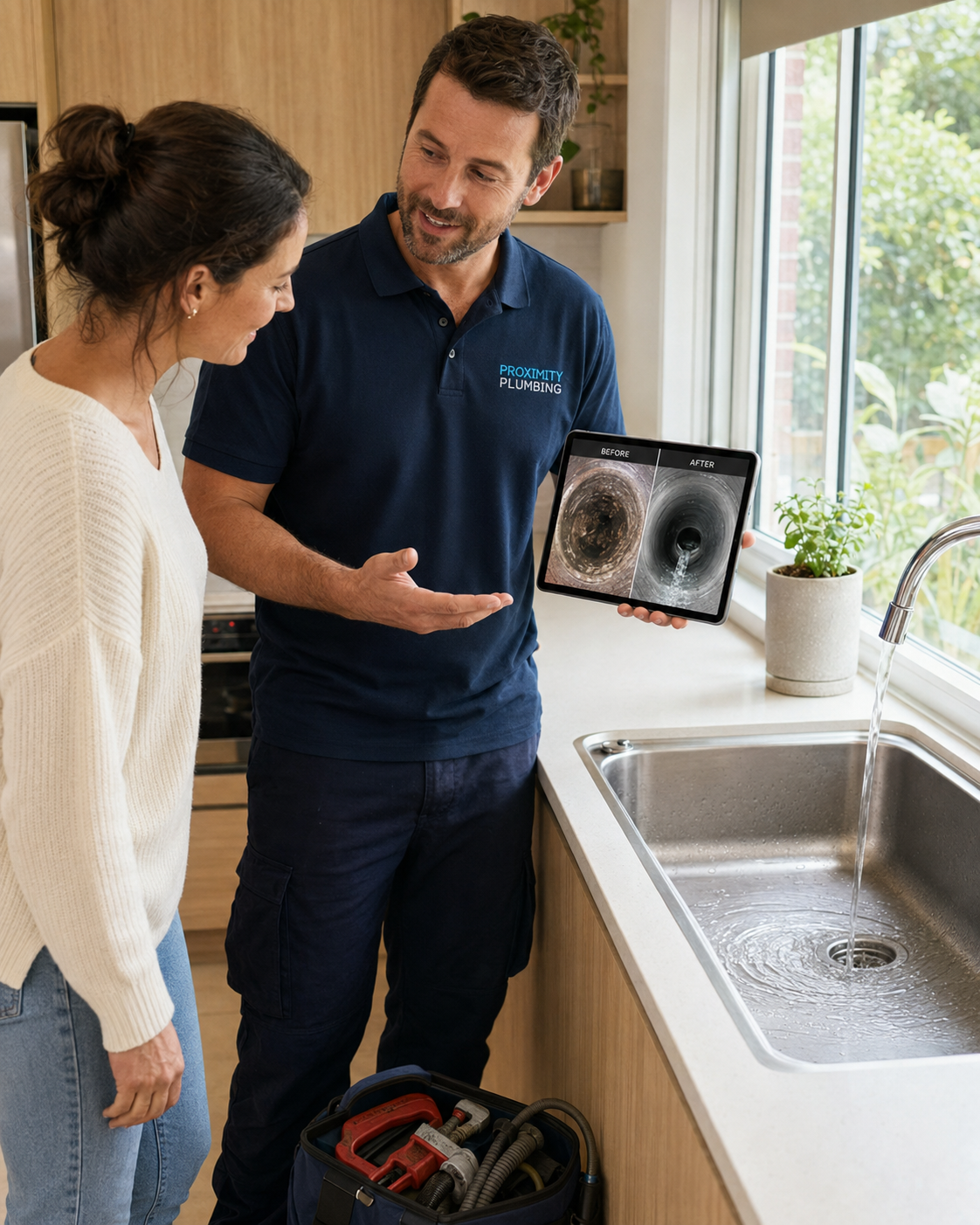
We attend your property at no charge ($0 call-out fee) and conduct a full CCTV inspection of your pipes. You’ll see the footage in real time and we’ll explain exactly what we find. This is the only way to accurately assess pipe condition and provide a reliable quote.
Step 2 of 3
2
Transparent Written Quote
Based on the CCTV findings, we provide a detailed written quote that breaks down the scope of work, materials, method, and total cost. No hidden charges, no line items that appear later. The price we quote is the price you pay.
Step 3 of 3
3
Your Decision, No Pressure
If you’re happy with the quote, we can often start the same day. If you want to compare quotes or think it over, there’s no obligation and no call-out fee for our time. We encourage you to get multiple quotes for larger projects — just make sure you’re comparing the same scope of work and product quality.
Frequently Asked Questions About Pipe Relining Costs
Pipe relining in Sydney typically costs between $1,000 and $1,500 per metre. The exact rate depends on pipe diameter, accessibility, severity of damage, and the relining method used. Larger diameter sewer pipes at the higher end, smaller waste pipes at the lower end.
In most cases, yes. Pipe relining typically costs 20–40% less than full pipe replacement. The savings are most significant for pipes under concrete slabs, driveways and landscaping where excavation and restoration costs can exceed $15,000–$25,000.
Variation in quotes usually comes down to three things: the product being used (cheaper liners vs premium Brawoliner®), the scope of work included (some quotes exclude junction cutting or CCTV), and whether the quote covers the full scope or just a partial repair. Always compare like-for-like and ask what product is being used and what the warranty covers.
No. We provide a $0 call-out fee for the initial attendance and CCTV inspection. If you proceed, the inspection cost is included in the project. If you don’t proceed, you pay nothing.
We can provide a general price range based on your description, but an accurate quote requires a CCTV inspection. Without seeing the inside of your pipes, any price is a guess — and we don’t believe in guesswork when it comes to your money.
Yes. We offer flexible payment plans including interest-free financing options to make pipe relining accessible. Ask our team about payment options when you receive your quote.
Every quote includes the CCTV inspection, high-pressure pipe cleaning, Brawoliner® liner supply and installation, robotic junction cutting (where applicable), final CCTV verification, before-and-after footage, certificate of completion, and our 35-year installation guarantee.
The only way to know what your pipe relining project will cost is a CCTV inspection. Book yours today — $0 call-out fee, guaranteed on site within 30 minutes, and no obligation if you decide not to proceed.
Hydro Jetting vs Traditional Drain Clearing: Which Is Better?
7 min read
Three Clearing Methods, One Best Choice for Most Sydney Blockages When a plumber arrives to clear a blocked drain, the method they use makes a real difference to how well the blockage is cleared, how....
Blocked Stormwater Drain Solutions for Sydney Residents
8 min read
When the Next Downpour Hits, Your Stormwater System Has One Job A blocked stormwater drain might not seem as urgent as a blocked sewer — until the next heavy downpour sends water pooling around your f....
When Sewage Backs Up, Minutes Matter — Here’s What to Do A blocked drain can go from inconvenience to emergency in a matter of hours. When sewage is backing up into your home, water is pooling around....
Common Causes of Blocked Drains and How to Fix Them
8 min read
Diagnosing the Cause is the First Step to a Permanent Fix If you’re dealing with a blocked drain, you’re not alone — blocked drains are one of the most common plumbing issues we attend across Sydney.....
Not sure where to start? Just give us a call and we’ll guide you through your options step by step. Our team will explain everything clearly, offer expert advice, and if it suits you, we can send someone out today.