There’s rarely a single price point for pipe relining — the cost is shaped by ten variables. Most projects are influenced by three or four; complex jobs touch on all ten.
The Size Of The Pipe
We have the capability to reline pipes from small bathroom waste lines to very large sewer mains. As you can imagine, this heavily affects the end cost — larger diameter pipes use more liner material per metre.
The Length Of The Pipe
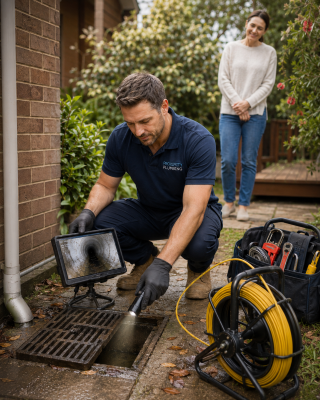
Like most things, the more you need, the more you pay. A job with only 2 metres of pipe relining will cost a lot less than a job with 20 metres. From our CCTV inspection and the measurements gained from it, we’ll be able to know exactly how much liner you’ll need.
The Ease Of Access To The Pipe
While pipe relining has the advantage of “no digging or excavation required” in most cases, in some instances we will need to dig a small access hole. If this is needed, it can affect the price of the job — especially if we need to dig and install new piping to access the pipes we’re trying to reline.
The Existing Condition Of The Pipe
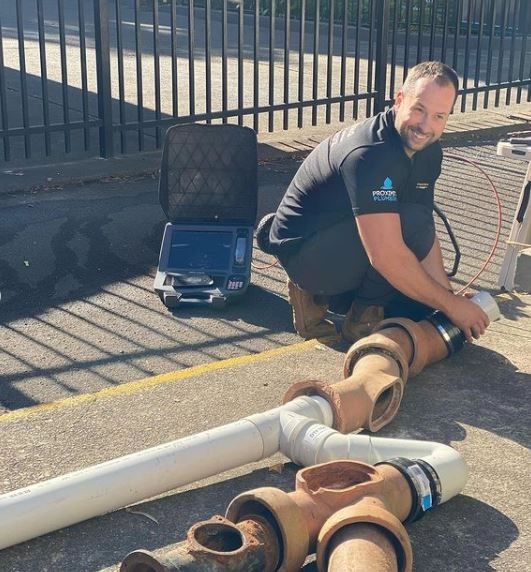
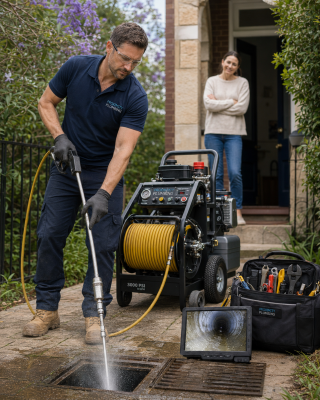
The condition of the existing pipe plays a role in the price of the job. If the pipe is full of tree roots or silt and requires many hours of clearing with a high-pressure water jetter, this can affect the price.
Same thing if the drain is very damaged — usually there will be additional preparation work required before relining can begin.
The Location Of The Site
Pipe relining equipment is generally very big and heavy. If getting the equipment to your location is tricky — and some Eastern Suburbs residences are — we’ll need additional manpower to help carry it to your site. This adds time and labour cost to the project.
The Method We Choose To Reline The Pipe
There are three primary stormwater and sewer relining methods: inversion, patch, and drag-in. Each carries different cost profiles and is suited to different situations. See the methods compared below for the full breakdown.
The Number Of Junctions To Be Relined
The number of junctions (branch lines) within the relined section will increase the price — another reason why a CCTV inspection before relining is so important. Junctions matter because if a junction is tree-root affected, by law a junction patch must be installed. Without it, tree roots will eventually re-enter the drain through that junction.
The Quality Of The Pipe Relining Materials
Like all industries, there are high and low-quality products on the market — this directly affects the trenchless sewer repair cost. Because we’ve been pipe relining for many years, we’ve tested products from all over the world and only use the most superior available.
Our materials are purchased from RSM Lining Supplies — one of the most recognised and reputable suppliers in the world. Their products are made in Germany, France, the UK, or the USA and are 100% Australian Watermark approved.
The Risk Involved In The Job
Pipe relining is a job that can come with high risk if a mistake is made. The main risk factor is that there are no second chances — there is one chance at installing the new liner correctly. So you need to be confident that the team you have on the job are experts in pipe relining.
The Plumbing Company’s Pricing Decision
This generally creates the biggest differentiation in price. Some companies are expensive, some are cheap, and some are quoting different scopes of work entirely. So it’s very important to properly compare quotes and ask as many questions as possible.
Your best ally in a cost conversation is information. Ask about time involved, labour costs, possible site access issues, materials used, and quality of materials. Get them to walk you through why costs vary between companies. Shopping around for a few quotes is always a good idea.
The Three Pipe Relining Methods Compared
There are three primary stormwater and sewer relining methods. Each suits different situations and carries different cost and longevity profiles.
Inversion
The most effective option for preventing future blockages. Used for relining sections longer than three continuous metres.
A liner and resin are inserted into the drain using an inversion drum. The resin is applied on the outside of the liner, bonding with the existing pipe to seal all cracks and joints — preventing tree root infiltration.
Patch Relining
Ideal for repairing one or a few specific spots when the rest of the pipeline is in good condition, or when only the most damaged areas need addressing.
Costed per patch rather than per metre. Like inversion, the resin is on the outside of the liner — ensuring a secure bond to the existing pipe.
⚠ Not Our Preferred Method
Drag-in
Used in rare situations where an inversion drum cannot be employed, or when relining must start further along the line. Has a shorter lifespan than the alternatives.
The resin sits on the inside of the liner, which can result in an improper bond — leaving old cracks vulnerable to root intrusion. Also requires two access points, often increasing excavation cost.
What Are The Advantages of Pipe Relining?
✓No digging or excavation required
✓Faster and more affordable than open construction
✓4× stronger than a standard PVC pipe
✓Works for sewer, stormwater, earthenware, copper, asbestos, PVC and cast-iron pipes
✓Permanently keeps out tree roots
✓Reduced impact on the environment
The Length Of The Guarantee
Like any product you invest in, your relined pipes come with a guarantee. The length of the guarantee depends on the quality of materials used — common guarantee periods range from 25 to 35 years. Proximity Plumbing backs every relining job with our 35-year installation guarantee.
Does Pipe Relining Cost Less Than Replacement?
Pipe relining can appear more expensive than replacement on the surface. The investment is significant due to the specialised equipment, premium materials, and intensive training required. Pipe relining is not taught at TAFE — each relining business must train their own staff, and it can take up to 12 months for a qualified plumber to run a pipe relining job autonomously. This adds to the cost of doing business.
That said, pipe relining is almost always less expensive once you factor in property restoration costs. Pipe replacement requires excavation — and whatever sits above ground (paving, landscaping, retaining walls, bathroom tiles) needs to be put back. Coordinating those tradespeople adds time and expense.
No excavation. No surface restoration. Most jobs complete in a single day. Zero disruption to driveways, gardens or floors.
Plus excavation ($2,000–$10,000+). Plus restoration costs ($3,000–$15,000+). Takes 3–14 days. Major property disruption.
If your damaged pipes are underneath building foundations, you’ll need a full excavation to reach them — which means concreting, tiling and landscaping all need to be repaired afterwards. The costs add up quickly. See our full pipe relining vs replacement comparison →
What Affects Pipe Relining Sydney Costs?
The cost of relining your pipes is completely dependent on the variables of your property. Without our free CCTV inspection and obligation-free solution plan, it’s difficult to put a firm price on the job.
If you’re asking, “Is pipe relining worth it?”, it’s important to weigh the cost of digging against the cost of completing pipe relining. As a general benchmark, pipe relining costs in Sydney range between $500 and $1,200 per metre. The exact price depends on:
→Accessibility of the pipe
→The condition of the pipe
→The diameter of the pipe (smaller diameters are typically more expensive per metre)
Whether your home insurance covers pipe relining depends on your specific policy and the cause of the damage. Here’s what Sydney homeowners typically need to know.
Most home insurance policies cover sudden and accidental pipe damage — a pipe that bursts unexpectedly or is damaged by an unforeseen event. In these cases, your insurer may cover the cost of repair, including pipe relining, minus your excess.
Sudden & Accidental Damage
Pipes that burst unexpectedly or are damaged by an unforeseen event. Your insurer may cover repair costs (including pipe relining) minus your excess.
Slow corrosion over years, or progressive root infiltration through joints. Most insurers classify this as a maintenance issue rather than an insurable event.
This is the most common scenario we see in Sydney — particularly with ageing cast iron and earthenware pipes in pre-1980s homes. Some policies also exclude tree root damage entirely, while others cover it under specific conditions. It’s worth reviewing your Product Disclosure Statement (PDS) or calling your insurer to clarify what’s covered before committing to a repair method.
How Proximity Plumbing Helps With Insurance Claims
Every job we complete includes:
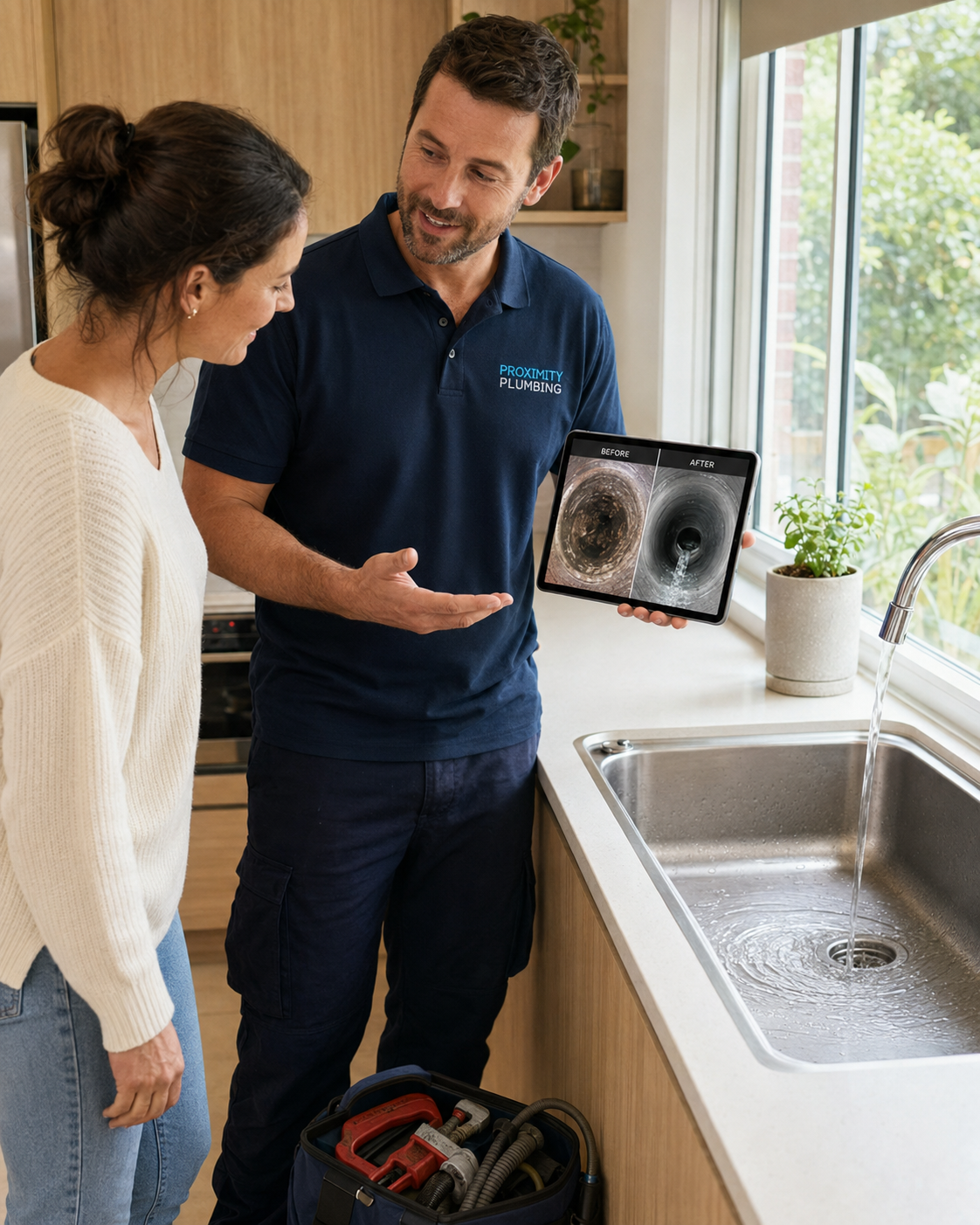
✓Detailed CCTV inspection footage showing pipe condition before and after relining
✓A formal written quote breaking down the scope and cost of work
✓A certificate of completion documenting products used and warranty terms
Many insurers accept this documentation as supporting evidence for claims. While we can’t guarantee your claim will be approved, we make sure you have everything you need to submit one.
If you’re unsure whether your situation is covered, we recommend getting our free CCTV inspection first. The footage gives you and your insurer a clear picture of what’s happened — which is often the starting point for any claim assessment. See our full guide to plumbing emergency insurance claims →
Why Choose Proximity Plumbing for Pipe Relining?
A Permanent Seal Against Roots
When we reline your pipes, we completely seal the pipe — no leaks, no roots, no problem. The materials we use are the real difference: epoxy liner is considerably stronger than commonly used PVC pipes, and because it’s seamless, there are no joints or seals for roots to exploit. Your relined plumbing is unlikely to give you any problems for a very long time.
Local Eastern Suburbs Specialists
Proximity Plumbing has built a track record of growth and success through word of mouth and quality of service. We proudly carry over 2,100 5-star Google reviews. We’re a family-run Eastern Suburbs business — true locals who live, breathe and love the East. We know Eastern Suburbs pipework like no other company, and we value world-class customer service above everything.
Ready to Reline Without the Dig?
Book a free CCTV inspection — we’ll show you exactly what’s happening inside your pipes and provide a transparent fixed-price quote. $0 call-out fee, guaranteed on site within 30 minutes, no obligation.