

Building Care Programme
Stop paying for the same leak twice. Planned plumbing care for strata and commercial buildings.
24/7 PRIORITY RESPONSE | WORK ORDERS | COMPLIANCE PACK



NOW SERVICING NORTH SYDNEY
WE ARE AVAILABLE
- NSW Contractor Licence 285594C
- 24/7 Priority Response
- 5,183 Commercial Jobs Since 2019
- Report and Photos on Every Job
- Invoices With Your PO and SP Number
- Onsite in 30 Minutes Guaranteed
THE SHORT ANSWER
In short
Building Care is Proximity Plumbing’s planned plumbing programme for strata and commercial buildings. It starts with a free health check of every plumbing asset, then a condition report and a 10-Year Plumbing Plan, then planned visits on a Care Plan. It replaces surprise call-outs with a schedule and a budget: in our records, 14 strata buildings needed 5 or more plumbing call-outs in a single year.
THE COST OF STAYING REACTIVE
Paying for the same leak twice
From our own job records for strata buildings, 2020 to 2026. Buildings are never named.
29
plumbing jobs in 12 months at one Eastern Suburbs strata building
14 of 217
strata buildings needed 5 or more call-outs in a single year
$990
our median strata job, including GST
$4,950
what five call-outs a year cost at that median
Strata buildings identified by strata plan number in our job records; most completed jobs in any 12-month window.
WHY IT HAPPENS
Why shared plumbing fails without warning
Across 2,523 strata jobs since 2019, the causes we record most often are water leaks (392 jobs), tree roots in the drain line (223), burst water pipes (136), silt and debris build-up (134) and worn tap washers or cartridges (123).
Almost all of them start small and out of sight. Roots get into a clay sewer pipe through a joint and grow for months before the ground floor notices slow drains. A cast iron stack scales up from the inside over years. A relief valve on the hot water plant drips into a drain nobody looks at. Silt settles in a stormwater pit until the first heavy storm.
Shared plumbing also has nobody watching it. A resident reports a slow shower, the strata manager logs a call-out, and the blockage is cleared without anyone asking why it keeps coming back. Each call-out makes sense on its own. Together they are the most expensive way to look after a building.
A planned programme changes the question from “who can come today?” to “what is wearing out, and when should we fix it?”
REACTIVE OR PLANNED
Two ways to look after a building
| Reactive | Planned with Building Care | |
|---|---|---|
| When work happens | When something fails, often after hours | On a schedule that suits the building |
| What it costs | Call-out after call-out, plus damage to lots and common property | Smaller fixes, priced before they are done |
| What the committee sees | Surprise invoices | A report, a 10-year plan and a budget |
| Compliance | Backflow tests and TMV records chased at the last minute | Tested, lodged and recorded on time |
BEFORE AND AFTER
What planned care fixes
What a planned visit puts right before it fails. Drag the handle to compare.
Building pump room
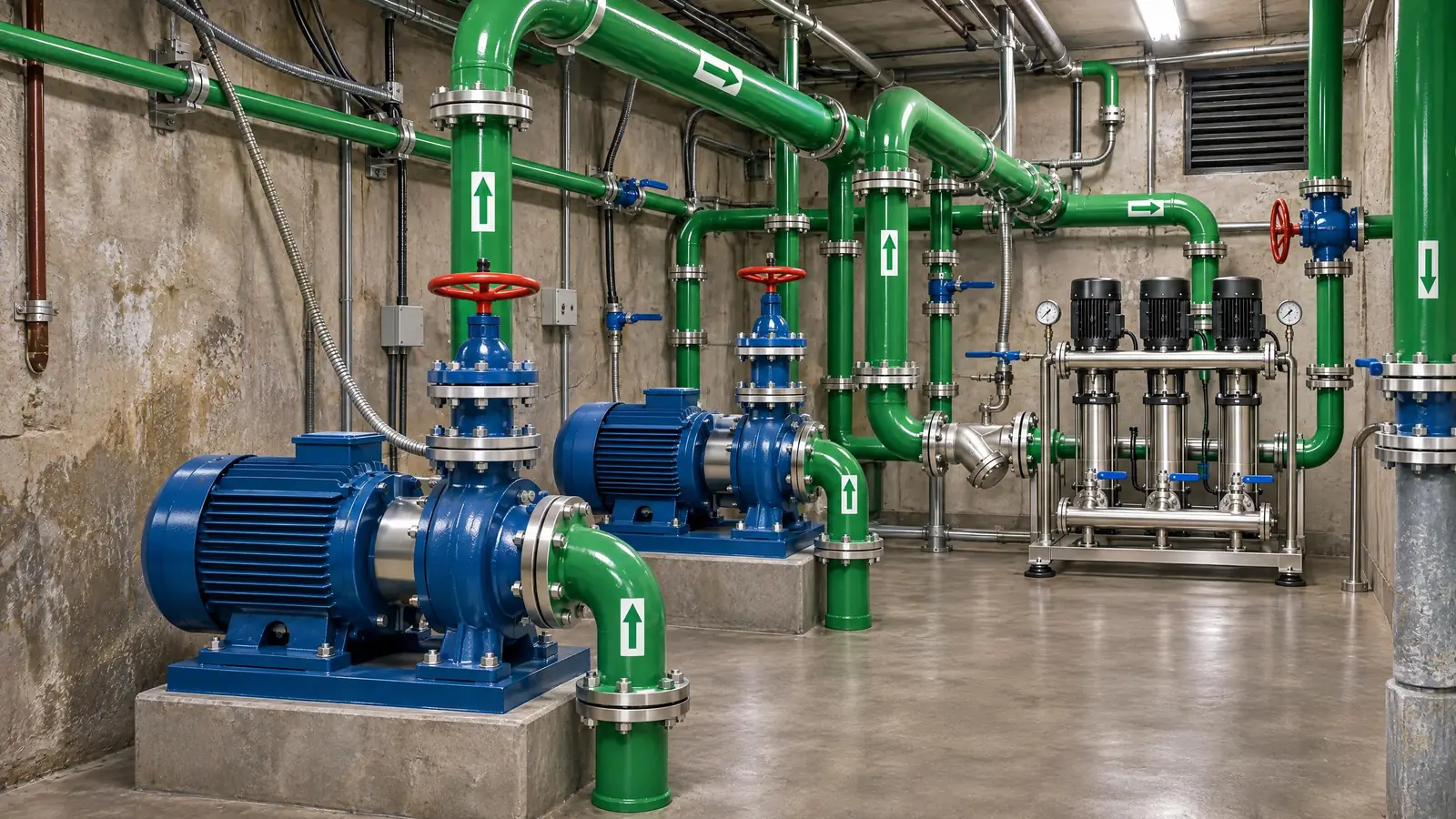
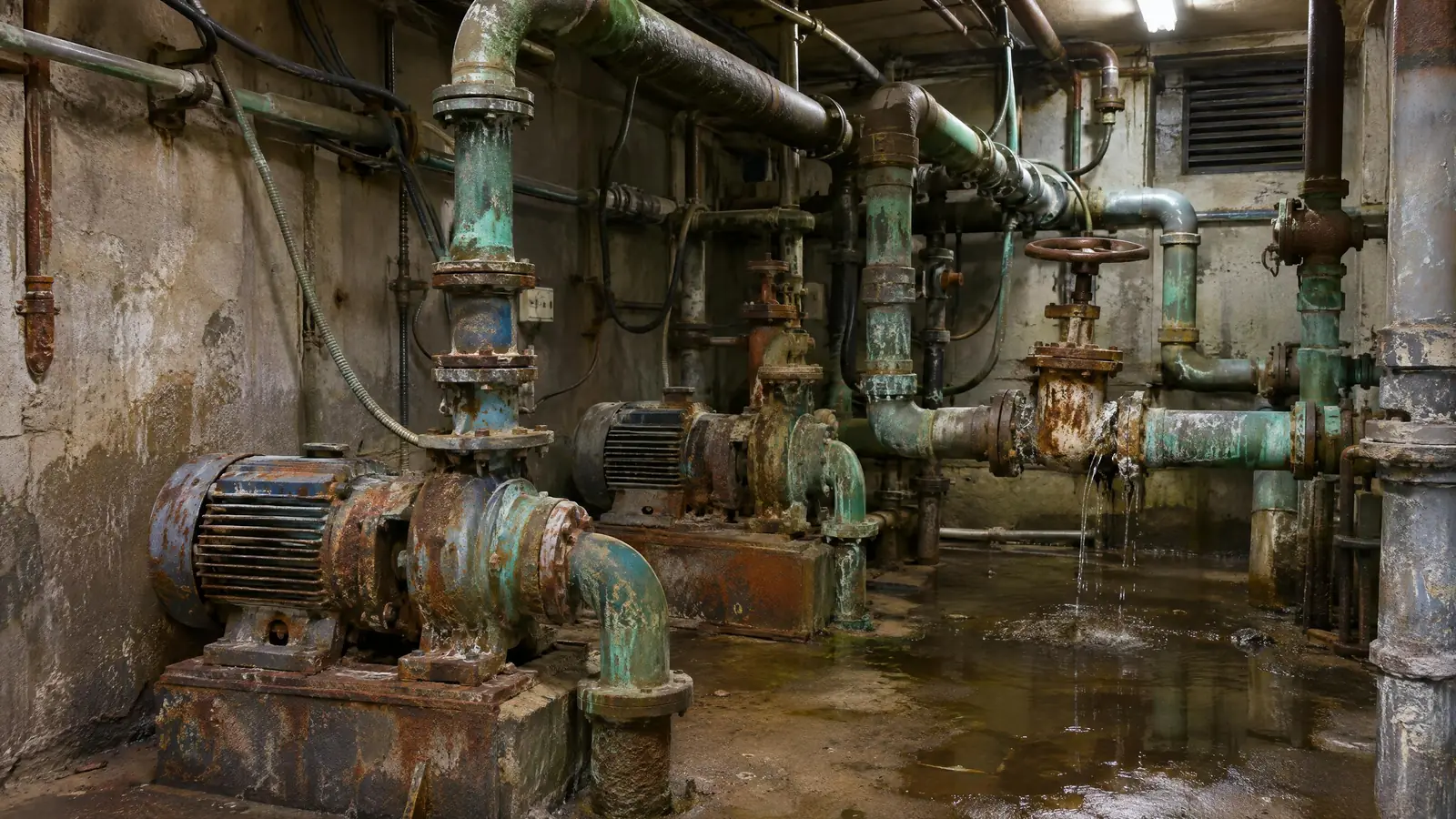
Illustration, not a Proximity job
A corroded apartment pump room, upgraded with a new booster set, valves and labelled pipework. Illustration, not a Proximity job.
Strata riser pipework
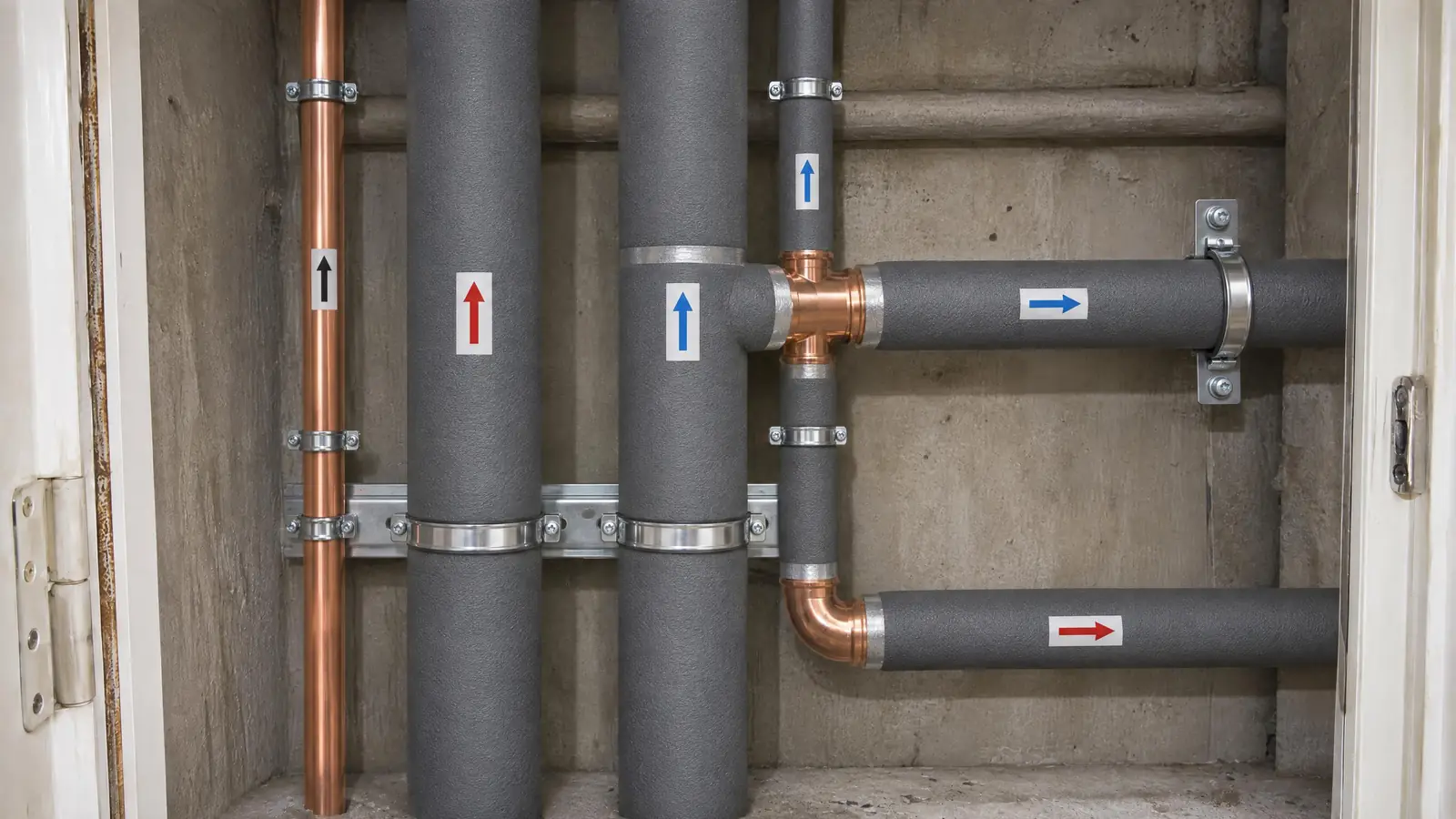
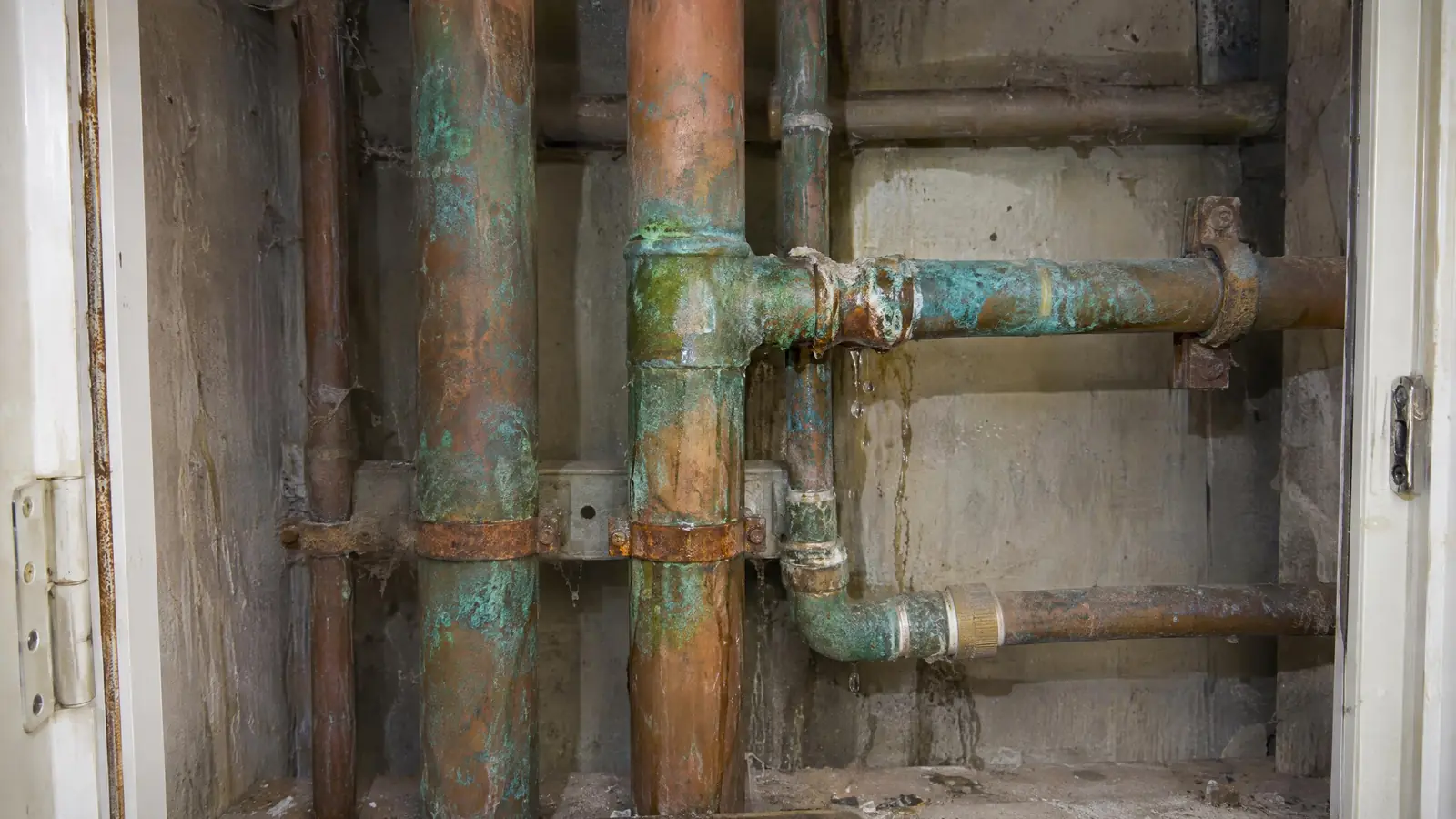
Illustration, not a Proximity job
Corroded copper risers in a service cupboard, replaced with new lagged and labelled pipework. Illustration, not a Proximity job.
Roots choking a drain
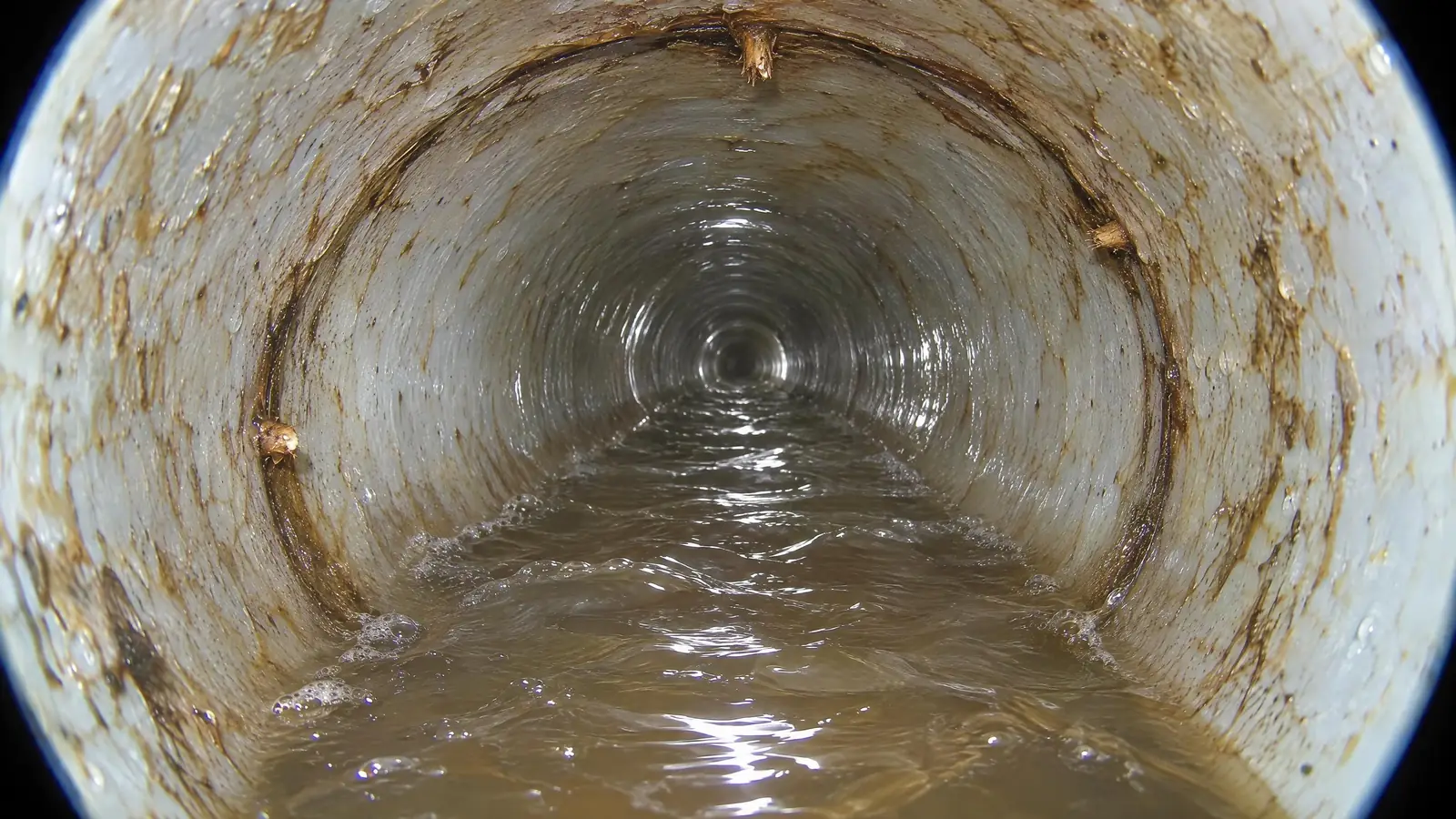
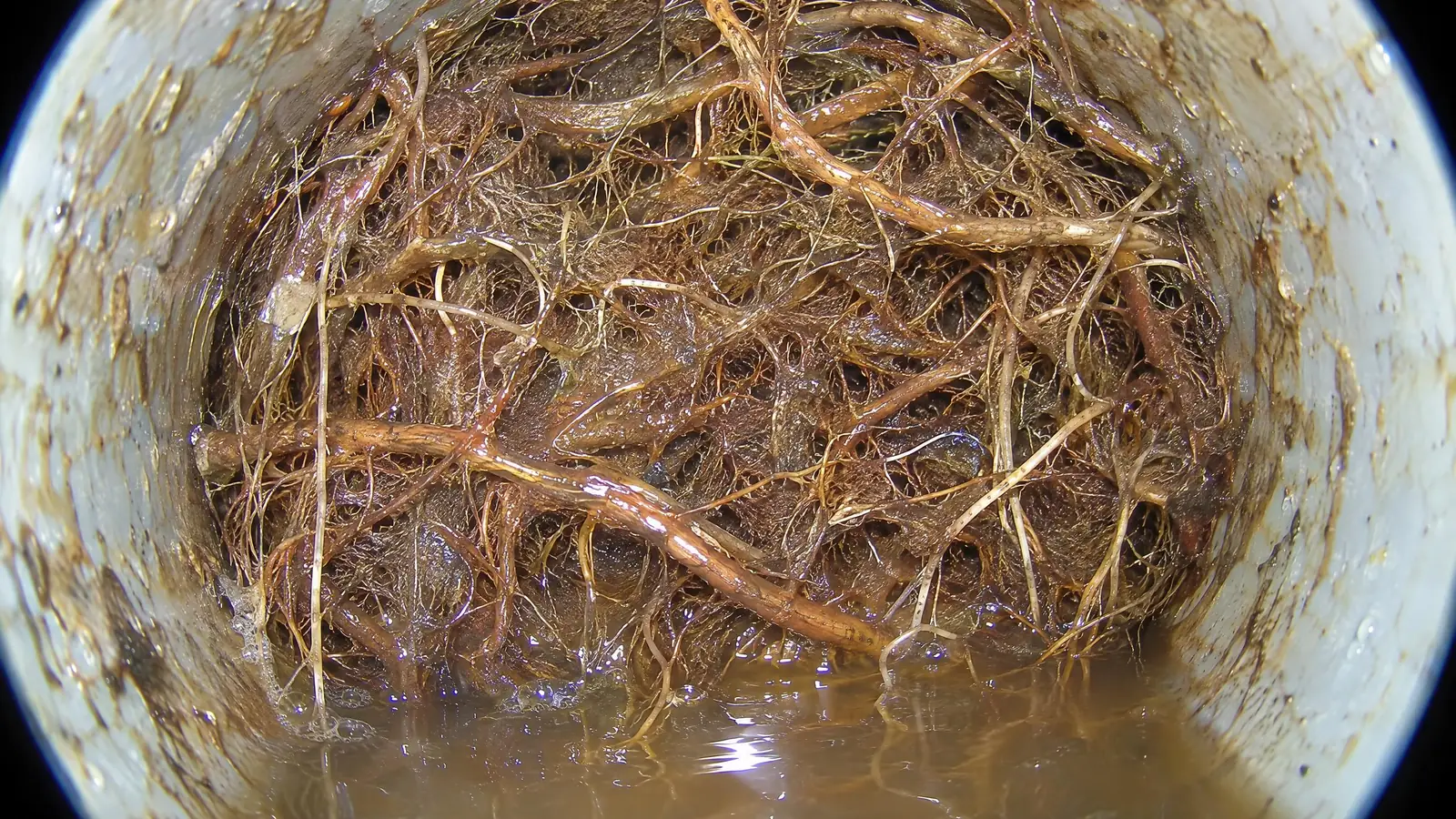
Illustration, not a Proximity job
A stormwater pipe choked by tree roots, then cut and jetted clear. Illustration, not a Proximity job.
Terrace box gutter
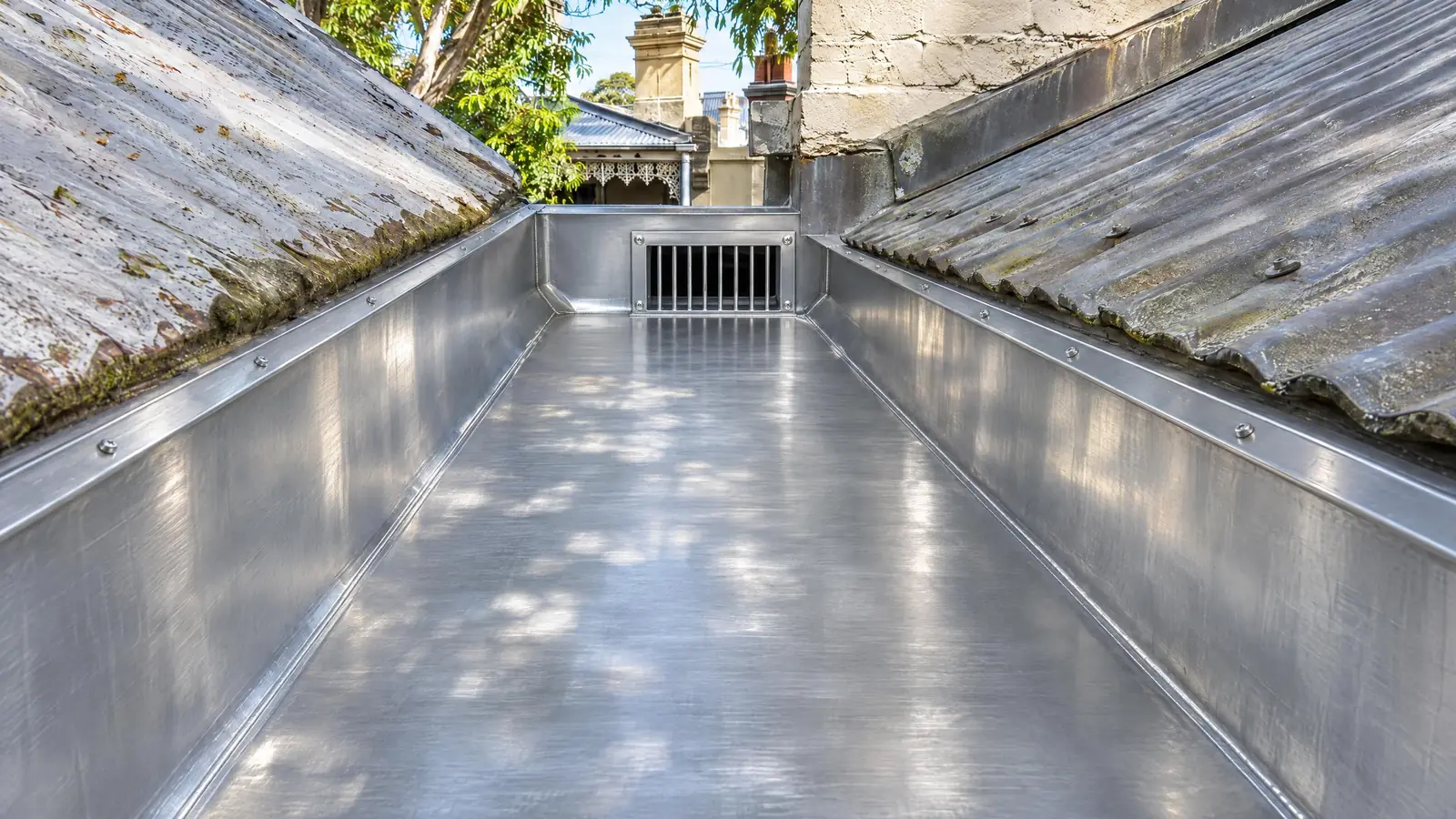
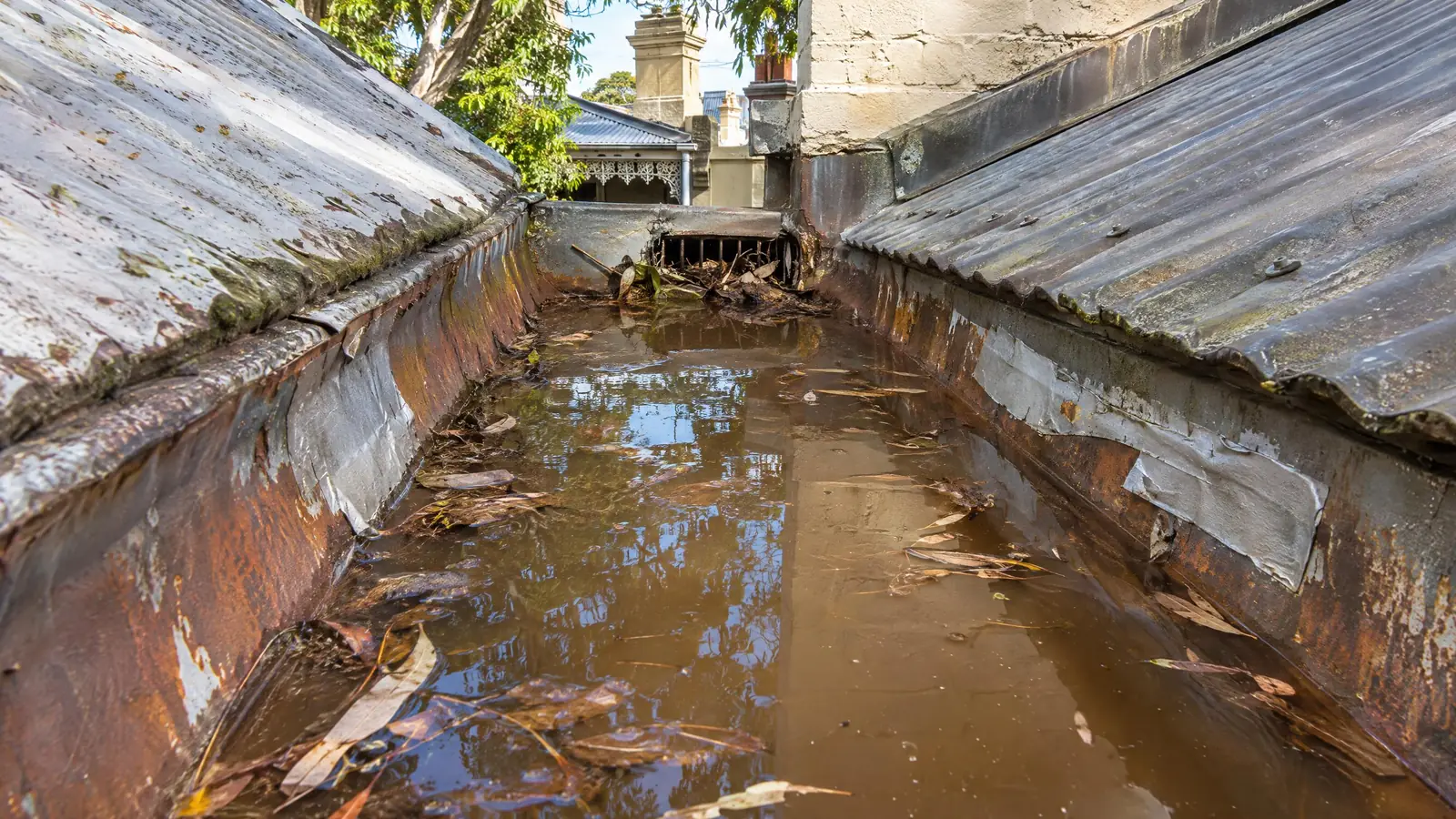
Illustration, not a Proximity job
A rusted, ponding box gutter between terraces, rebuilt with a new sump and outlet. Illustration, not a Proximity job.
Leaking electric unit
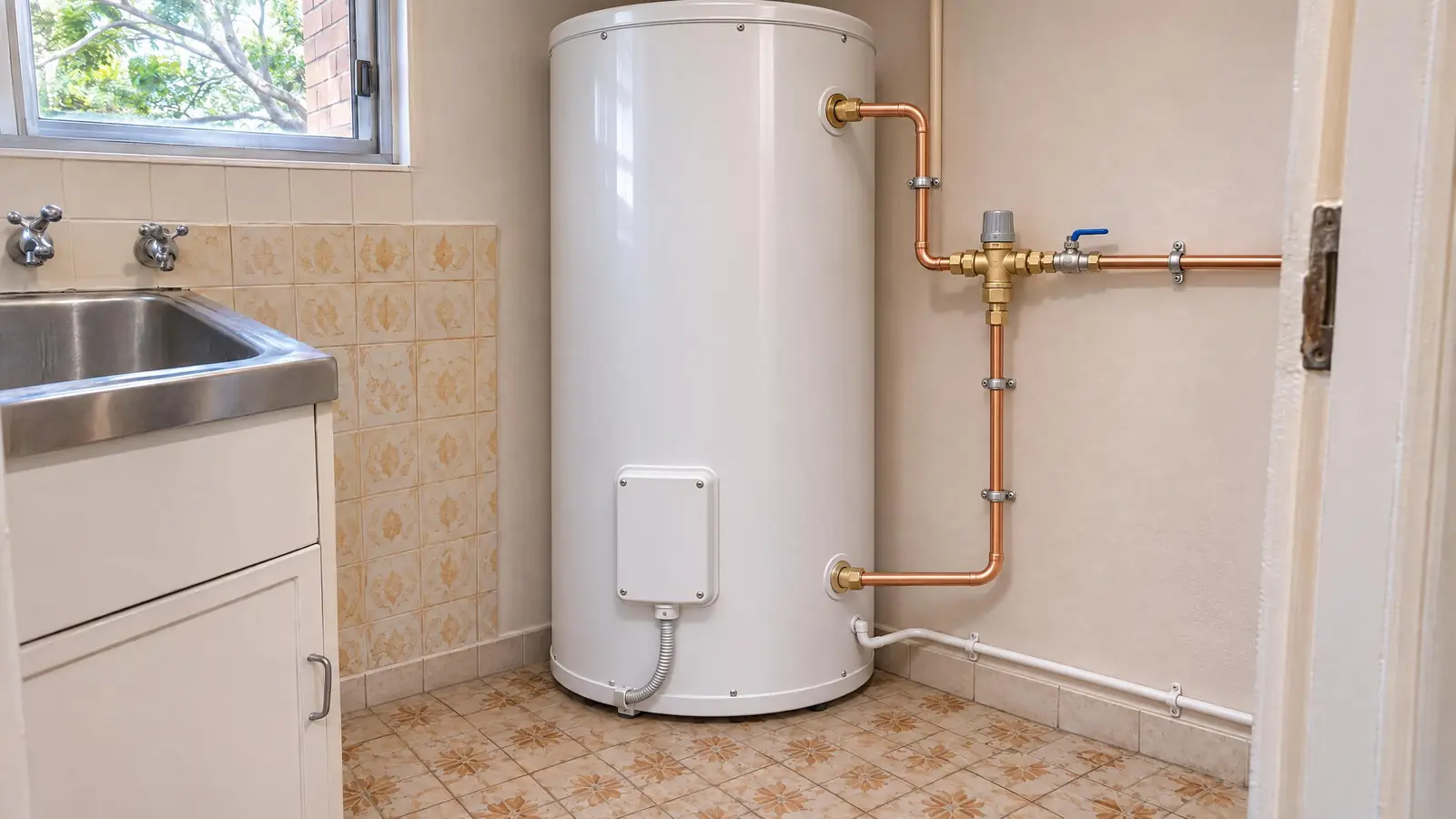
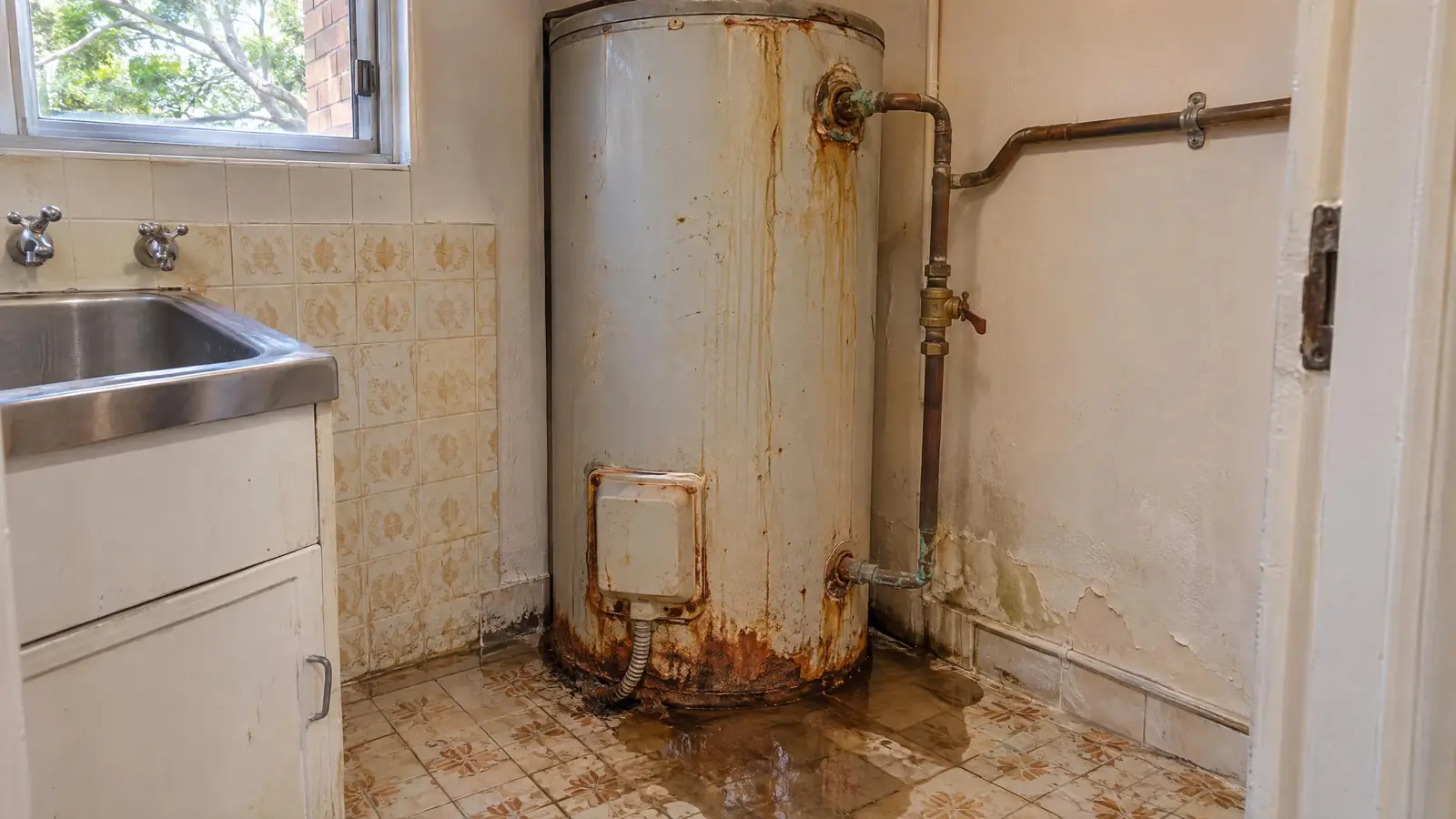
Illustration, not a Proximity job
A rusted, leaking electric storage unit, replaced with a new unit, new pipework and a tempering valve. Illustration, not a Proximity job.
THE PROGRAMME
Three steps to a planned building
Free Building Plumbing Health Check
Every plumbing asset checked and rated green, amber or red, with photos.
Free for strata and commercial buildings
10-Year Plumbing Plan
What each asset needs, when, and what it is likely to cost: ready for your capital works fund.
See an example plan
Care Plans for buildings
Planned visits, compliance testing and a report after every visit.
Essential, Compliance or Premium
Sample condition report
What our reports look like, section by section.
Service levels
P1 onsite within 30 minutes, 24/7, and what happens when you log a job.
Compliance documents
Our licence, WHS policy, sample SWMS and capability statement.
WHO IT SUITS
Who Building Care is for
Strata committees
You want fewer surprise levies and a plumbing budget you can explain to owners at the AGM. The report and the plan give you both in plain English, with photos.
Strata managers
You look after many buildings and approve work within limits. One contact, one condition report per building and fixed-price quotes keep approvals quick and the paper trail tidy.
Building managers
NSW building managers must now raise maintenance and safety issues with the owners corporation promptly. A dated report with photos is the record that you did.
Facility managers and owners
Shops, offices, schools and medical sites have backflow devices, TMVs and pumps that must keep working. A schedule keeps testing on time and away from trading hours.
HOW IT WORKS
How Building Care works
1
Health check
A licensed plumber checks every plumbing asset in the building, with CCTV on the main lines.
2
Condition report
Each asset rated green, amber or red, with photos and a fixed-price quote for anything urgent.
3
10-Year Plan
Every asset’s expected life, the year to act and a cost range, for the capital works fund.
4
Care Plan
Planned visits, backflow and TMV testing, and a report after every visit.
5
Every year
The plan is updated with what we found, so the committee’s budget stays current.
FOR STRATA
Planned care and the strata law
An owners corporation must maintain and repair its common property, which generally includes pipes that serve more than one lot (Strata Schemes Management Act 2015, s 106). It must also have a 10-year plan for its capital works fund (same Act, s 80).
The rules have tightened since 2025 (NSW Government guide to the strata law changes). NSW Fair Trading can now investigate and enforce an owners corporation’s duty to repair and maintain common property, with compliance notices, penalty notices and Tribunal orders.
An owners corporation can no longer put off a common property repair that affects someone’s access or use while it chases the party responsible for the damage, and owners now have six years, up from two, to claim damages for failed maintenance and repair.
Strata managing agents must report to the owners corporation every six months on their work, including organising repairs, and building managers must promptly bring maintenance, repair and safety issues to the owners corporation with a proposal to deal with them (NSW Government).
Building Care feeds all of this: planned visits keep common property in repair, the dated report with photos shows the issue was raised and dealt with, and our quotes give the committee real figures for the 10-year plan.
MYTH OR FACT
Five things committees often believe about plumbing
- Myth: if nothing is leaking, the plumbing is fine. Fact: roots, scale and seized valves show few signs until they fail. A camera and a walk-through find them while the fix is still small.
- Myth: planned maintenance is just more call-outs. Fact: a planned visit checks every shared asset in one trip and prices what it finds. A call-out fixes one symptom.
- Myth: old pipes always need replacing. Fact: condition decides, not age. Many cast iron stacks and clay sewer lines can be relined from inside with no wall demolition, and some are fine for years yet.
- Myth: the 10-year plan can carry one round figure for plumbing. Fact: a lump sum hides the big items. A line-by-line plan shows which year the stacks, the hot water plant and the main line fall due.
- Myth: we have to use the plumber who did the health check. Fact: the report is yours. Use it to compare quotes if you want to.
More for committees: plumbing questions to ask at your AGM and our seasonal checklist for strata buildings.
QUESTIONS
Building Care questions
EXPLORE
Building Care
COMMERCIAL & STRATA
Explore Commercial & Strata
Who we help
Services

BUILDING CARE
Start with a free health check
Book the health check for your building, or log a job if something needs fixing now.
Planning ahead? Request our compliance pack, book a free building health check or invite us to your contractor panel.
Licensed NSW 285594C
24/7 priority response
Report and photos on every job
4.9 from 3,000+ Google reviews