

Commercial CCTV Drain Surveys Sydney
See inside the drains before you spend: the video, a written report and what to do next.
24/7 PRIORITY RESPONSE | WORK ORDERS | COMPLIANCE PACK



NOW SERVICING NORTH SYDNEY
WE ARE AVAILABLE
- NSW Contractor Licence 285594C
- 24/7 Priority Response
- 5,183 Commercial Jobs Since 2019
- Report and Photos on Every Job
- Invoices With Your PO and SP Number
- Onsite in 30 Minutes Guaranteed
THE SHORT ANSWER
In short
A CCTV drain survey sends a camera through a building’s sewer and stormwater lines to find roots, cracks, collapses, scale and blockages without digging. You receive the video, a written report of each defect with its distance from the access point, photos and our recommendations.
HOW IT WORKS
How a drain camera survey works
A small waterproof camera on a flexible cable is fed into the drain through an inspection opening, a vent or a trap. A counter on the reel records how far the camera has travelled, so every defect on the video comes with a distance from the access point. Where a line is full of water or grease, it is jetted first, because the camera can only report what it can see.
We can find the camera head’s position from above ground and mark it, so a repair under a car park, garden or slab can be dug or lined exactly where it is needed.
Sewer and stormwater are separate systems and are surveyed separately. Older Sydney buildings often have clay or earthenware pipes underground, cast iron stacks, and PVC where earlier repairs were made, and the camera shows where one material meets another.
THE SIGNS
When a CCTV survey makes sense
- The same drain keeps blocking
- Sewage or stormwater surcharging in a pit or car park
- Before buying, refinancing or a major renovation
- Planning a 10-year capital works budget
- Before relining, to confirm it suits the pipe
- After a Sydney Water notice about the property’s sewer
WHEN TO BOOK
When a survey earns its cost
| Situation | What the survey answers | When to book |
|---|---|---|
| A drain that keeps blocking | Whether the cause is roots, a displaced joint, a sag or a collapse, and exactly where it is | Before the next clear, not after the fifth |
| Before relining or excavating | Whether the pipe can hold a liner, how long it is and how many junctions it has | Always, as part of the quote |
| Writing or reviewing the capital works plan | The condition of each line, so the plan carries real figures | At each review of the plan |
| A notice from Sydney Water about the property | Where the private defect is, and what fixing it involves | As soon as the notice arrives |
| Buying, leasing or refinancing a building | Whether the private sewer and stormwater lines will need work soon | Before you commit |
| A dip in the ground or a pit that will not drain | Whether a pipe has cracked or collapsed underneath | Promptly, before the hole grows |
WHAT CAUSES IT
What a camera finds
In Sydney’s older buildings the camera most often finds tree roots in clay pipe joints, cracked or displaced joints, scale in cast iron, sagging sections that hold water, and fat or debris build-up.
Our job records bear that out. Across our blocked sewer drain jobs since 2019 where a cause was recorded, tree roots were the most common by far (102 jobs), followed by broken or displaced pipe sections (22) and grease and fat (13). On blocked stormwater drains it was roots (43) and then silt and debris (31).
HOW WE DIAGNOSE IT
How the survey works
We clear the line if needed, then push or crawl the camera from an inspection opening, recording as we go. Each defect is noted with its distance, so a repair can be targeted to the exact spot. Asset owners and councils describe pipe defects with the WSAA Conduit Inspection Reporting Code, WSA 05 (WSAA); tell us if your records need coded reports.
BEFORE AND AFTER
What the camera finds
The faults a CCTV survey finds, and the drain after the fix. Drag the handle to compare.
Roots choking a drain
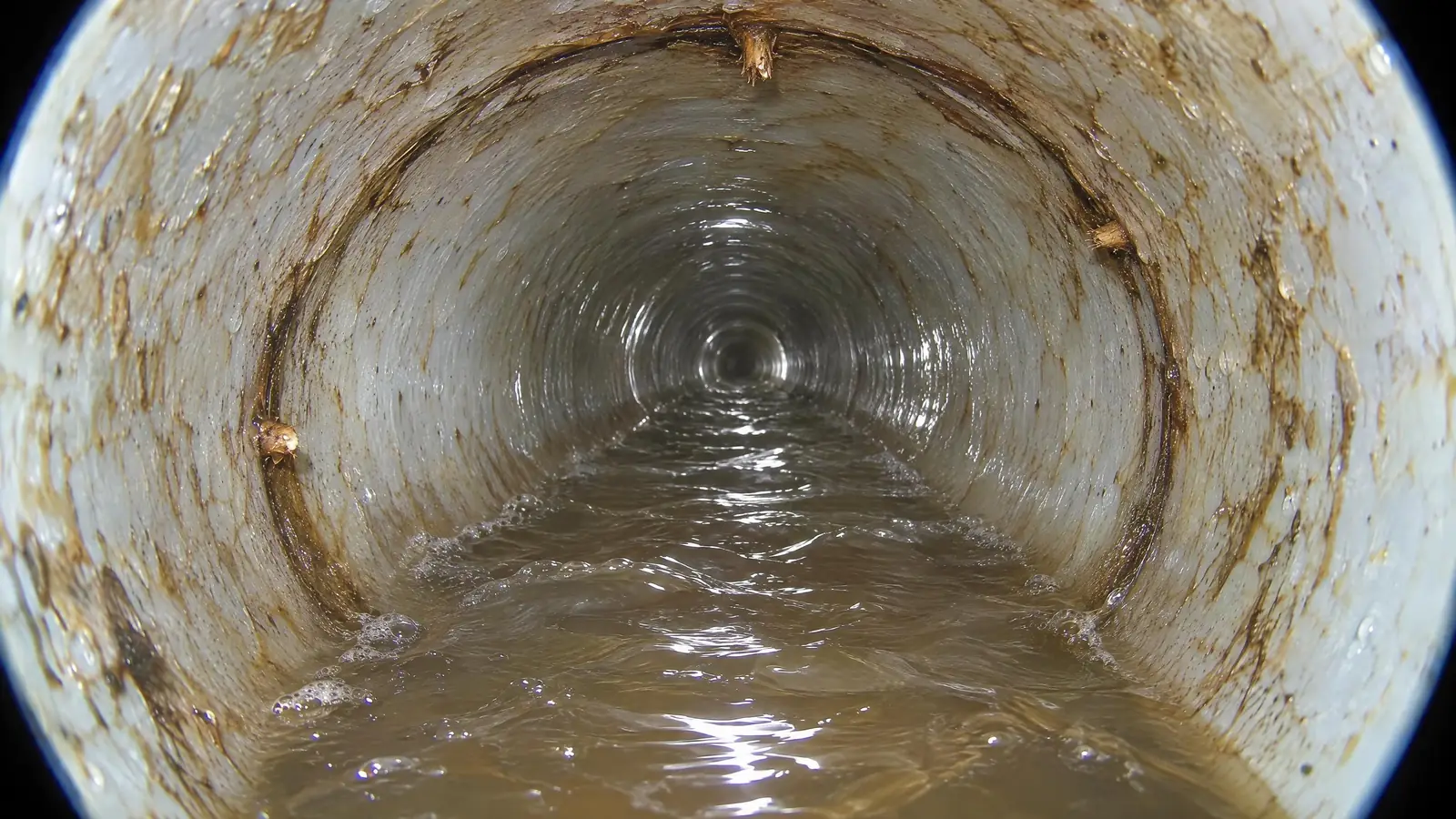
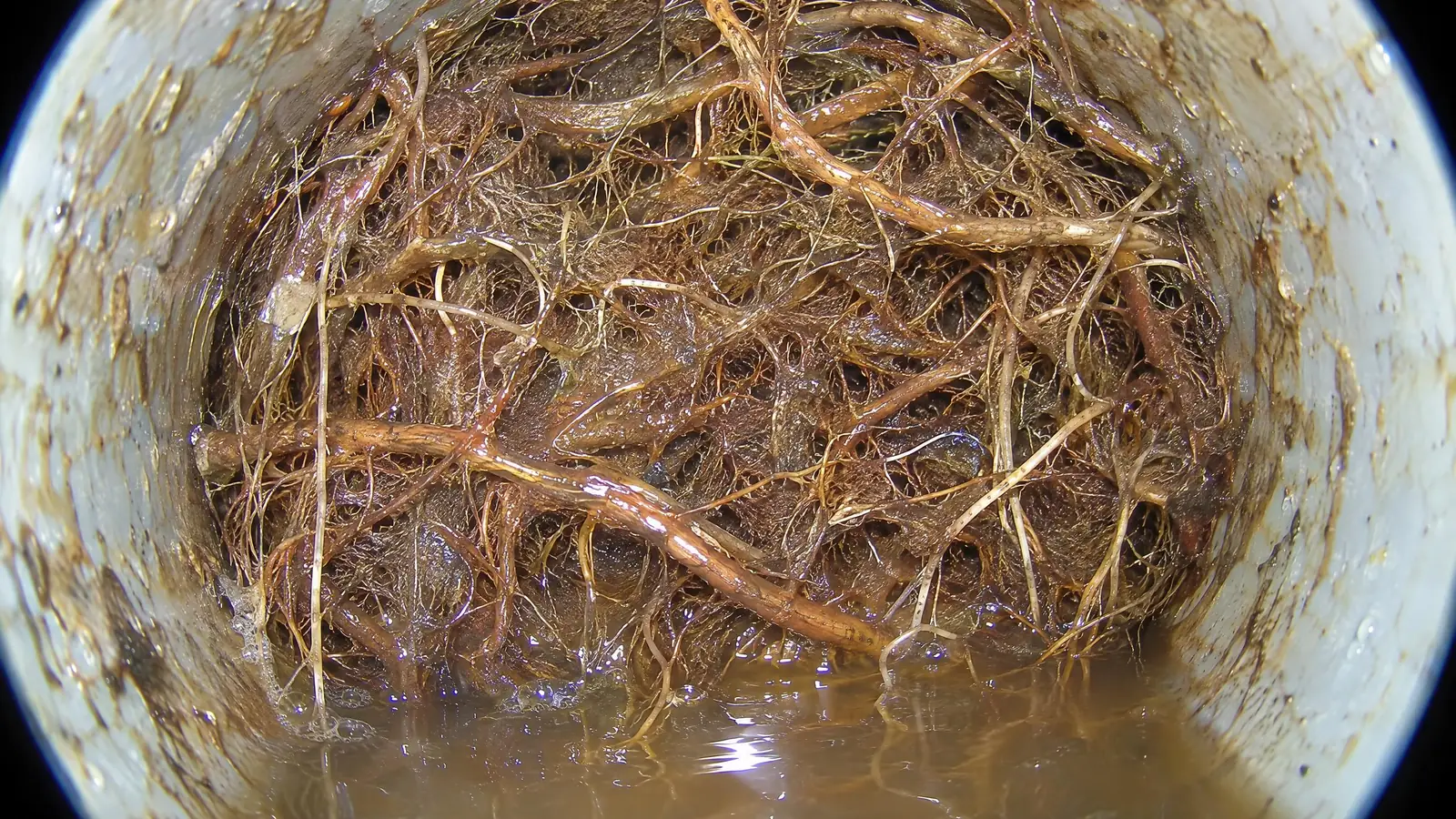
Illustration, not a Proximity job
A stormwater pipe choked by tree roots, then cut and jetted clear. Illustration, not a Proximity job.
Fat and grease
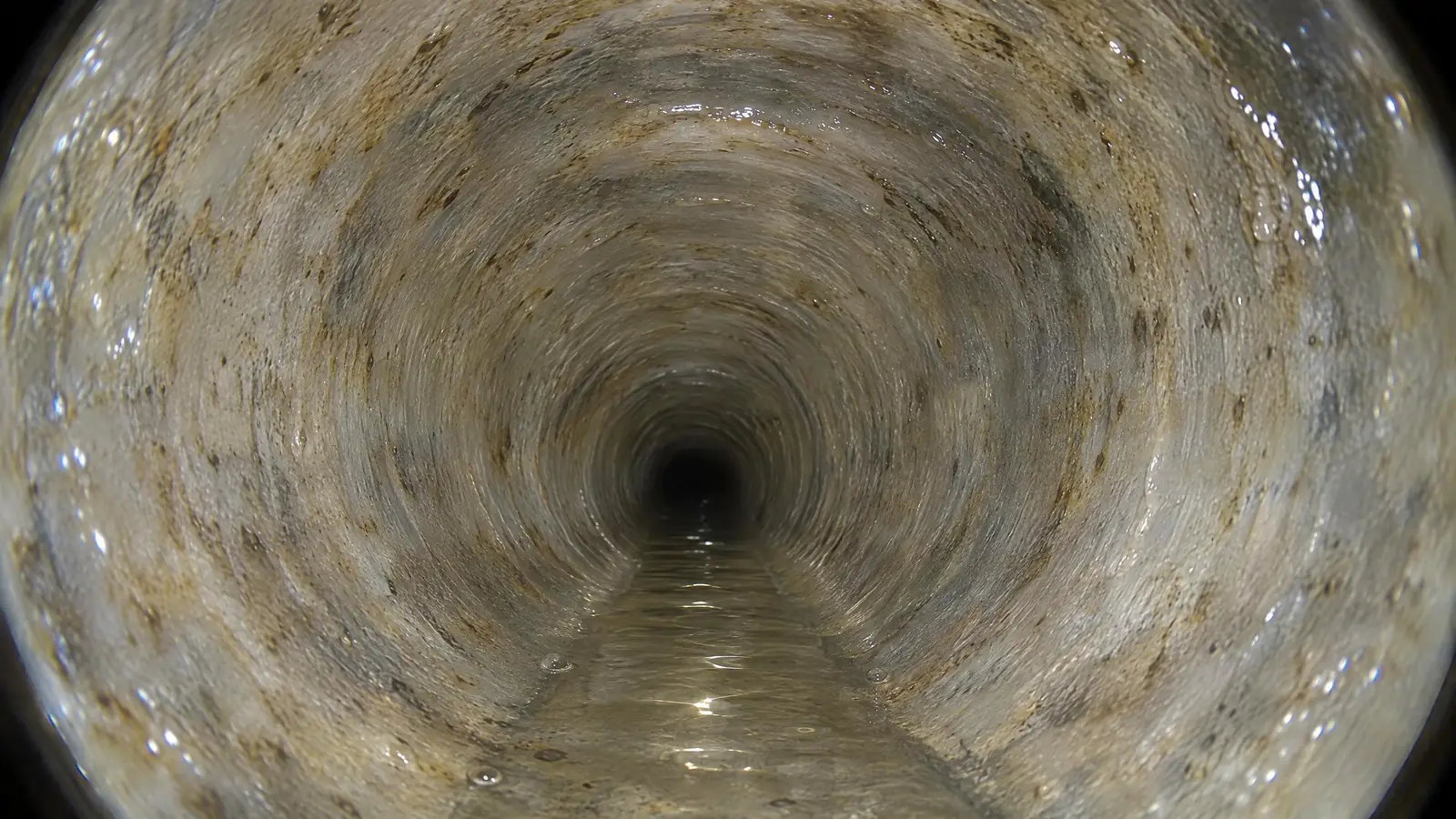
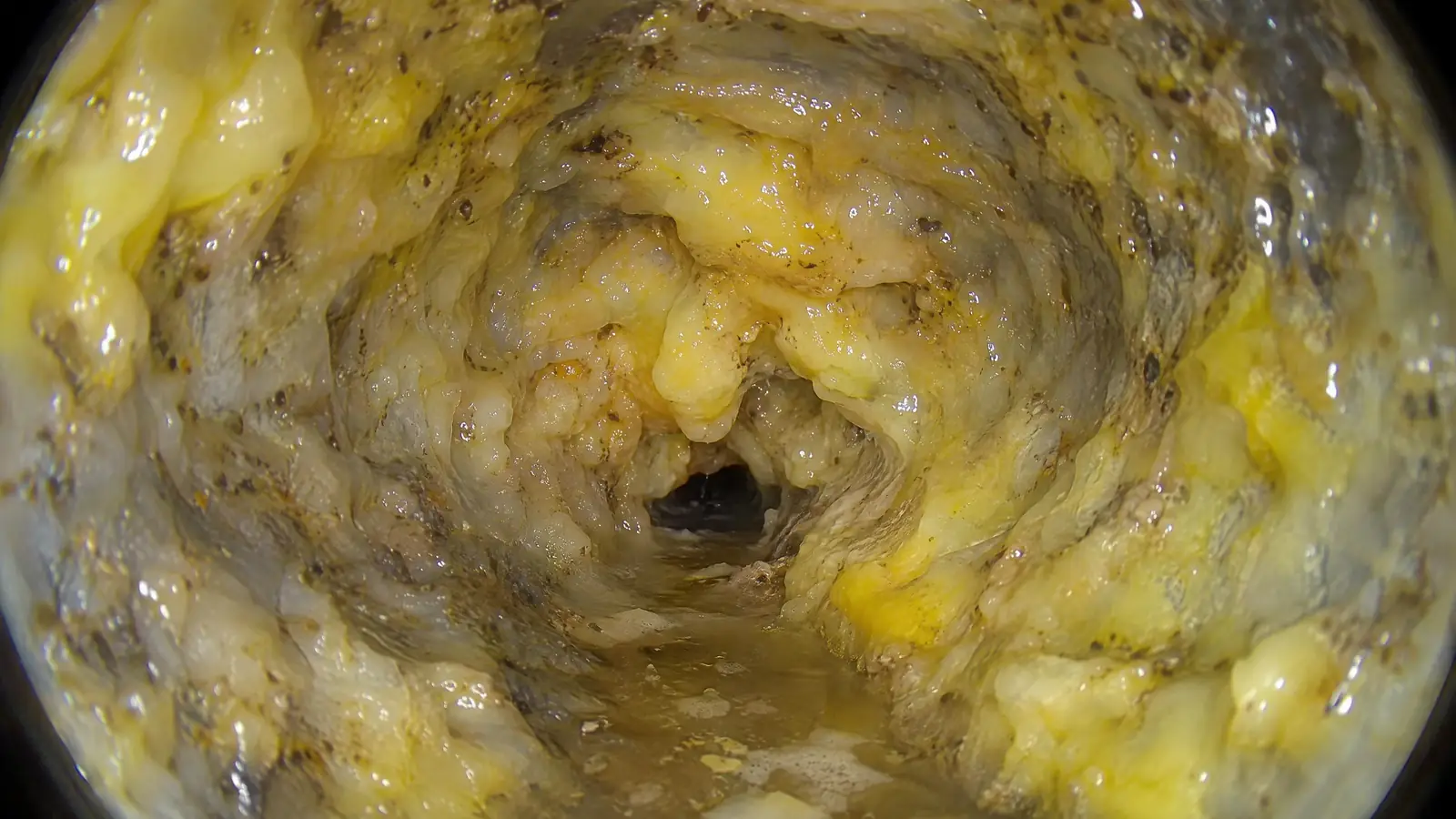
Illustration, not a Proximity job
A kitchen waste pipe narrowed by fat and grease, then jetted back to a full bore. Illustration, not a Proximity job.
Flooded courtyard
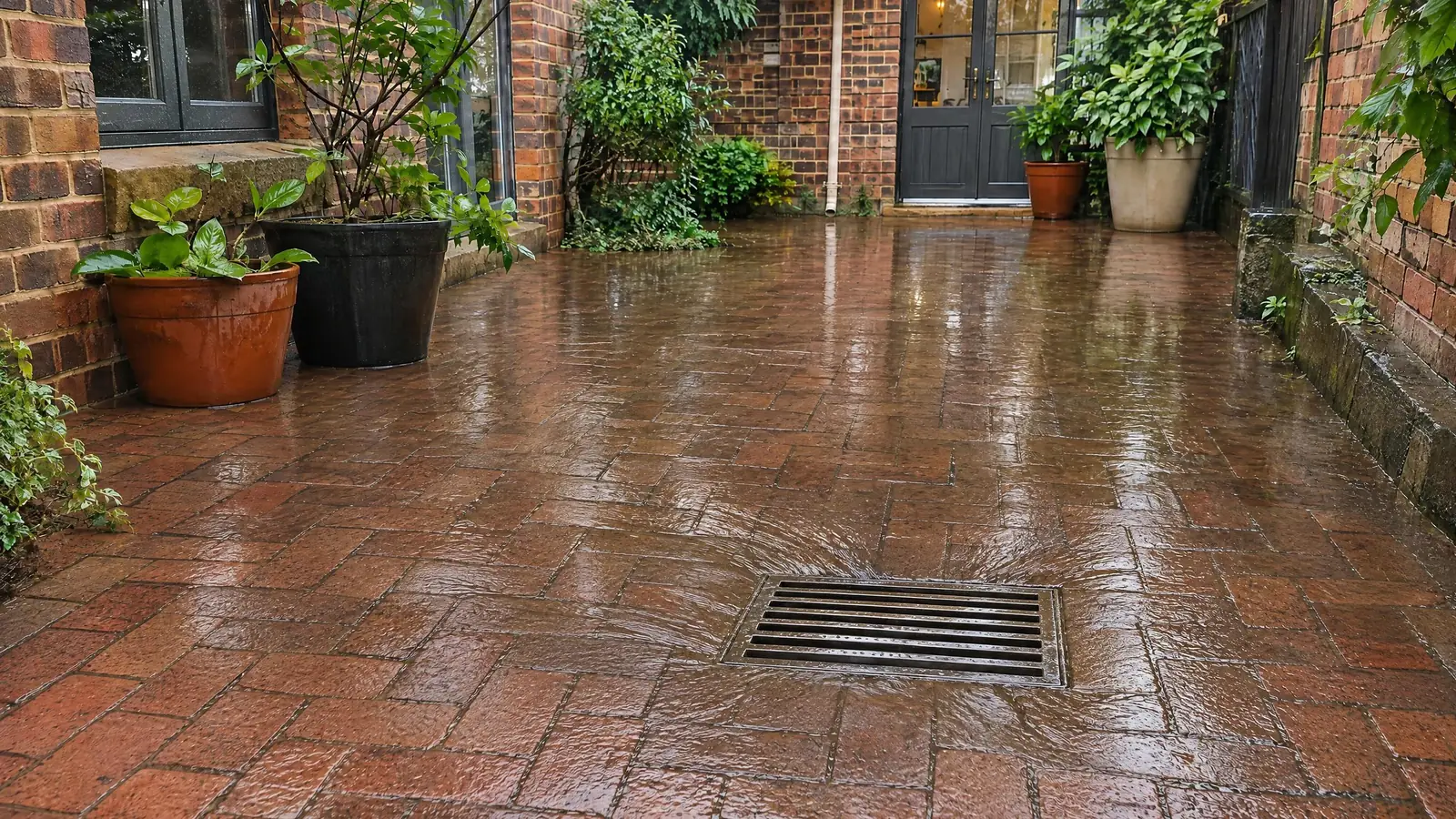
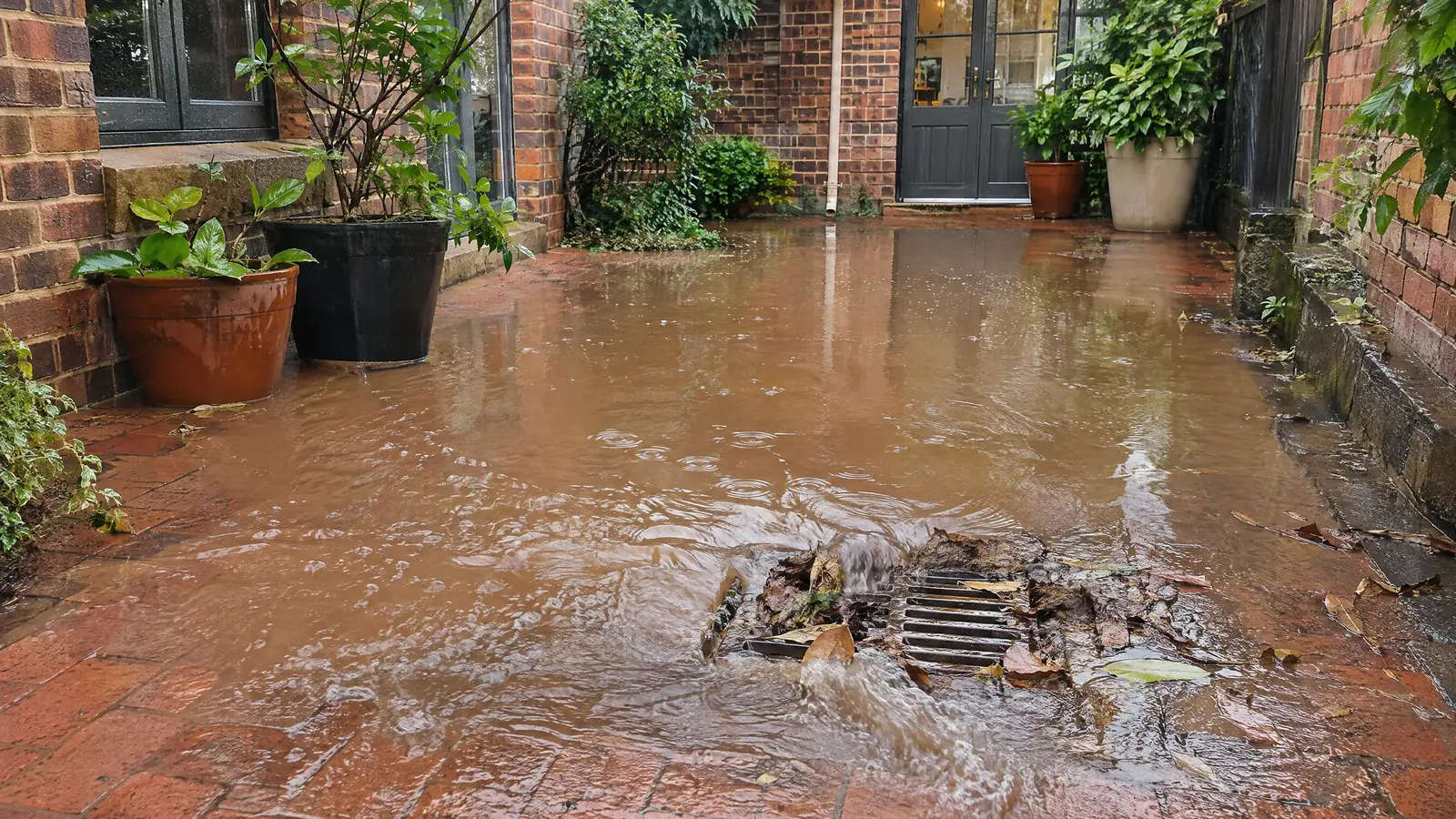
Illustration, not a Proximity job
A blocked stormwater grate flooding a courtyard, then cleared and draining. Illustration, not a Proximity job.
INSPECTION AND MAINTENANCE
A sensible survey rhythm
| What | How often | Why it matters |
|---|---|---|
| Lines with known root intrusion | A camera run after each clear, until the joints are sealed | Roots regrow through the same joints, and the video shows whether they are getting worse |
| The main sewer line and stacks in older buildings | A baseline survey, then again at each review of the capital works plan | Condition, not age, decides when a pipe needs work |
| Stormwater lines from box gutters and car parks | After any storm that caused flooding | Silt and roots in stormwater lines often only show themselves in heavy rain |
| Any line after relining or a repair | On completion of the work | Proof of the finished work, and the baseline for every later survey |
COMPLIANCE AND STANDARDS
Reports you can use
The report is written for strata managers and committees: what we found, where, how serious it is, and the options with a fixed price. It becomes part of the building’s records and the 10-Year Plumbing Plan.
The survey also shows where your responsibility ends. The property owner maintains the wastewater pipes and fittings between the building and Sydney Water’s system (Sydney Water Customer Contract), so when the camera reaches the connection point, the report notes where the private line ends.
Sydney Water’s own inspections of private property check that stormwater downpipes are not connected to wastewater pipes or the overflow relief gully, and that gullies are not damaged or too close to the ground (Sydney Water, Wastewater Fix). If the camera shows stormwater draining into the sewer, the report says so.
PROCESS AND TIMELINE
How a CCTV survey runs
1
Access
We find the inspection openings and confirm access.
2
Clear if needed
Jetting so the camera can see the pipe wall.
3
Camera run
Recorded from end to end.
4
Report
Video, photos, defects by distance and recommendations.
WHAT IT COSTS
What a CCTV survey costs
A survey is priced by the number of lines, their length and whether they need clearing first. For comparison, half of our priced commercial and strata blocked sewer drain jobs since 2019, which usually include a camera check, cost between $715 to $1,815, including GST. A CCTV inspection is included in our free building health check.
The price also moves with the number of access points, how hard they are to reach, out-of-hours access to car parks or tenancies, and whether you need a coded WSA 05 report.
A survey is the cheapest part of any drain repair. Our median commercial and strata relining job was $7,150; a survey that shows only one length needs lining can save the cost of lining the whole run.
HOW TO BRIEF US
How to brief a survey
Tell us why you want it, and we plan the survey around that question.
- What prompted it: a blockage, a purchase, a capital works plan, a Sydney Water notice or a relining quote
- Which lines: sewer, stormwater or both, and which lots or areas they serve
- Where the inspection openings, pits and boundary trap are, if you know
- Any sewer service diagram, drawings or earlier CCTV reports
- Whether your council, insurer or asset records need a WSA 05 coded report
- Access to car parks, plant rooms and gardens, and the best time to work
QUESTIONS TO ASK
Questions to ask about a CCTV report
- Did the camera reach the end of the line? If it stopped, ask why and what is needed to finish the survey.
- Was the line cleared before filming? Grease and water hide cracks, so a survey of a dirty pipe can understate the damage.
- Is this defect under common property or inside a lot? The distance in the log answers it, and it decides who pays.
- Can I have the full video file, not just stills? The footage is the baseline for every later inspection.
FROM OUR RECORDS
Cleared and filmed in one visit
Across our strata jobs since 2019, 167 ended with the drain cleared and camera-checked in the same visit, so the strata manager had footage to put to the committee, not just a drain that was flowing again. In the strata case study below, the camera turned a Sydney Water overflow notice into one collapsed section with a known position.
CASE STUDY
From our job records
Strata · Strata building, Darling Point · January 2021
Collapsed sewer repaired after a Sydney Water notice, Darling Point
The problem
Sydney Water advised that sewage was overflowing into the stormwater system from the building.
What we found
A collapsed section of sewer pipe.
What we did
With the strata manager’s approval we dug up the collapsed section, jetted the line in both directions and replaced the pipe.
QUESTIONS
CCTV drain survey questions
GUIDES
Guides and next steps
COMMERCIAL & STRATA
Explore Commercial & Strata
Who we help
Services

CCTV DRAIN SURVEYS
See what’s inside your drains
Book a free health check with a camera check, or log a job now.
Planning ahead? Request our compliance pack, book a free building health check or invite us to your contractor panel.
Licensed NSW 285594C
24/7 priority response
Report and photos on every job
4.9 from 3,000+ Google reviews