

Commercial Pump Station Sydney
Sewer, waste and booster pumps that keep running, and a plan for when they don’t.
24/7 PRIORITY RESPONSE | WORK ORDERS | COMPLIANCE PACK



NOW SERVICING NORTH SYDNEY
WE ARE AVAILABLE
- NSW Contractor Licence 285594C
- 24/7 Priority Response
- 5,183 Commercial Jobs Since 2019
- Report and Photos on Every Job
- Invoices With Your PO and SP Number
- Onsite in 30 Minutes Guaranteed
THE SHORT ANSWER
In short
Many basements, car parks and commercial kitchens rely on pumps to move sewage, waste or stormwater, or to boost water pressure to upper floors. Proximity Plumbing checks, repairs and replaces sewer, waste and booster pumps, tests alarms and floats, and responds 24/7 when a pump fails.
HOW IT WORKS
How a building pump station works
Basements, car parks and some ground-floor kitchens sit lower than the sewer or the street drain. Their waste or stormwater runs by gravity into a pit, also called a wet well. When the level rises, a float switch starts the pump, which pushes the water up a pipe called the rising main to a point where it can drain away by gravity. A non-return valve on the rising main stops the water running back into the pit when the pump stops.
A second, higher float sets off the high-level alarm if the pump cannot keep up or has stopped. Many stations have two pumps, a duty pump and a standby, so one can carry the load if the other fails.
Booster pumps do a different job: they lift drinking water pressure for the upper floors of taller buildings. When a booster fails, the top floors lose pressure first.
A sewer or stormwater pump inside a property is usually part of the private system the owner maintains (Sydney Water Customer Contract).
THE SIGNS
Warning signs
- High-level alarm going off
- Pump running constantly or cycling on and off
- Grinding, humming or new noise
- Smells from the pump pit
- Low water pressure on upper floors (booster pumps)
- Water pooling around the pit
HOW URGENT IS IT?
Is it urgent?
| What you notice | What it usually means | How urgent |
|---|---|---|
| High-level alarm sounding and sewage rising | The pump has stopped or cannot keep up with what is flowing in | Emergency. Stop water use in the building and call: P1, onsite within 30 minutes, 24/7 |
| The pump running all the time | A stuck float, a leaking non-return valve or a worn impeller | Soon. A pump that never rests wears out and wastes power |
| The pump starting and stopping every few seconds | Floats set too close together, or water falling back past a faulty non-return valve | Soon. Book a check before the motor burns out |
| The pump trips the power | A seized impeller or an electrical fault | Urgent. Leave it off and call us; we coordinate a licensed electrician for the controls |
| Top floors losing water pressure | A booster pump or its controls have failed | Urgent. Upper-floor residents may have little or no water |
WHAT CAUSES IT
Why pumps fail
Wipes, fat and debris jam impellers, floats stick, seals and bearings wear, and alarms fail silently. In kitchens, fat is the main cause; in basements, silt and debris. A pump with no backup power also stops in a power cut.
Pump failures often look like something else at first. The Elizabeth Bay job below started as a blocked kitchen drain; the real problem was a burnt-out pump under the sink.
HOW WE DIAGNOSE IT
How we check pumps
We test the floats and alarm, check the pump’s run time, noise and seals, inspect the pit and the rising main, and check controls with an electrician where needed.
BEFORE AND AFTER
See the difference
Plant rooms and pumps brought up to standard. Drag the handle to compare.
Building pump room
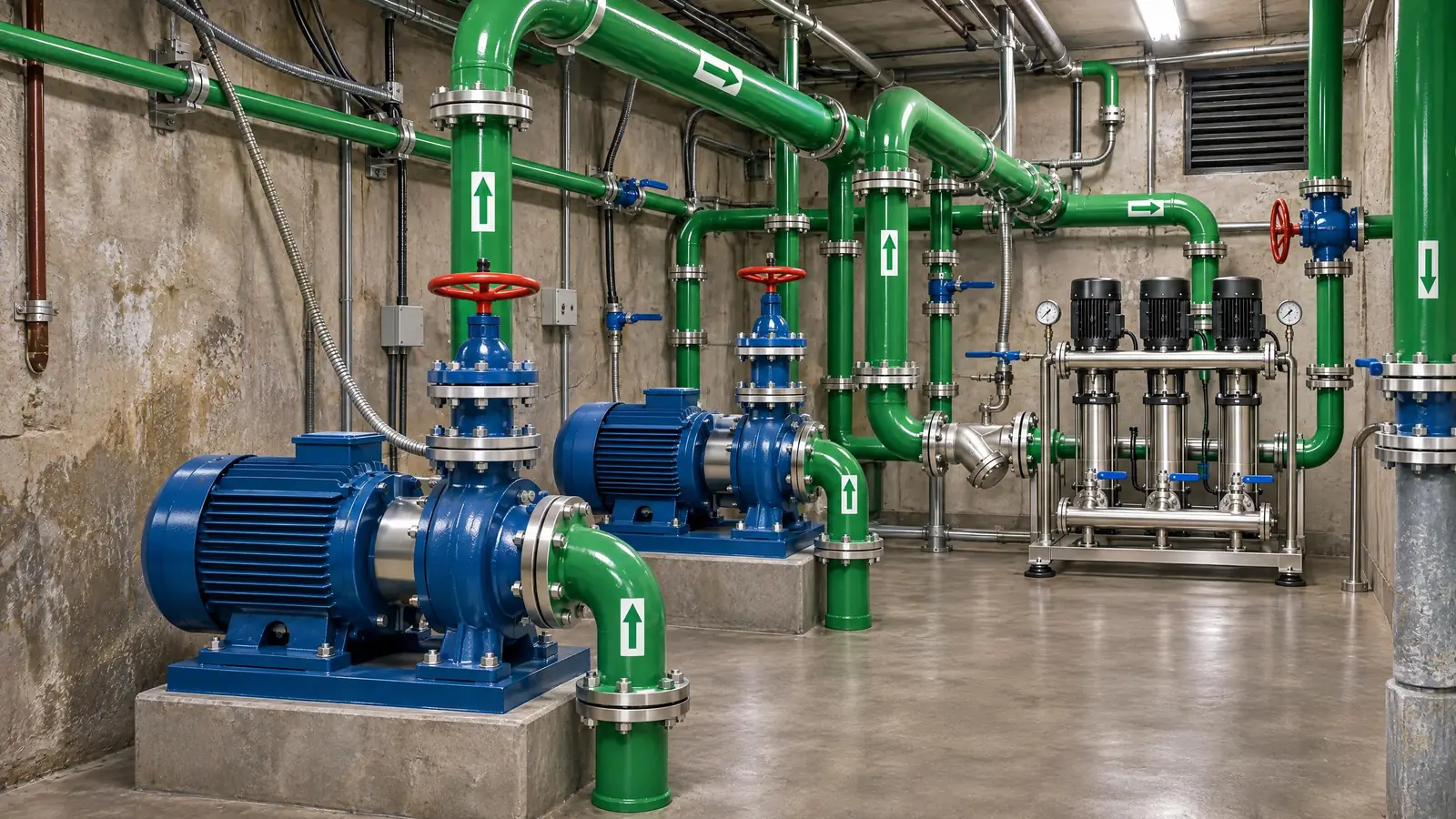
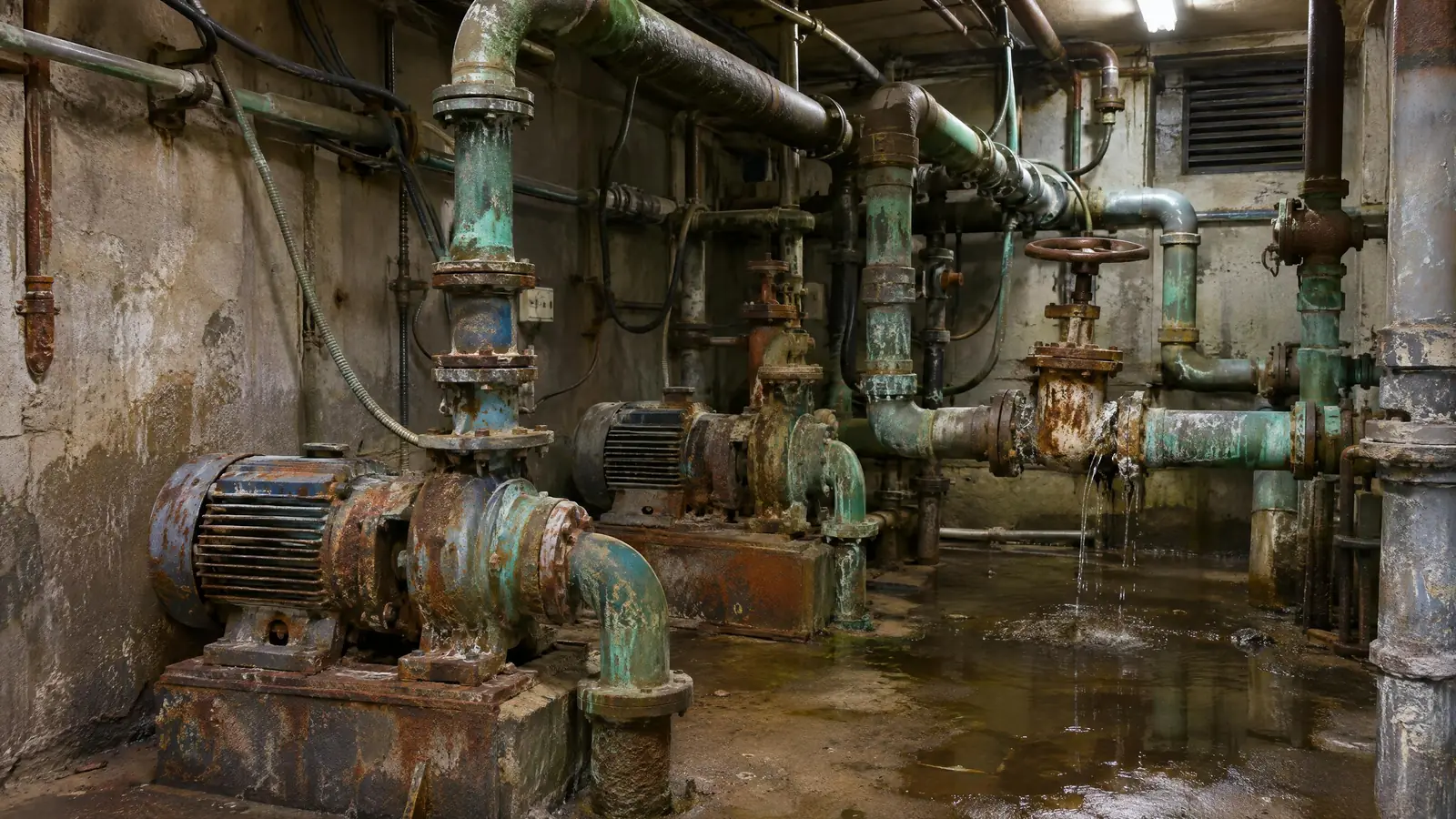
Illustration, not a Proximity job
A corroded apartment pump room, upgraded with a new booster set, valves and labelled pipework. Illustration, not a Proximity job.
Strata riser pipework
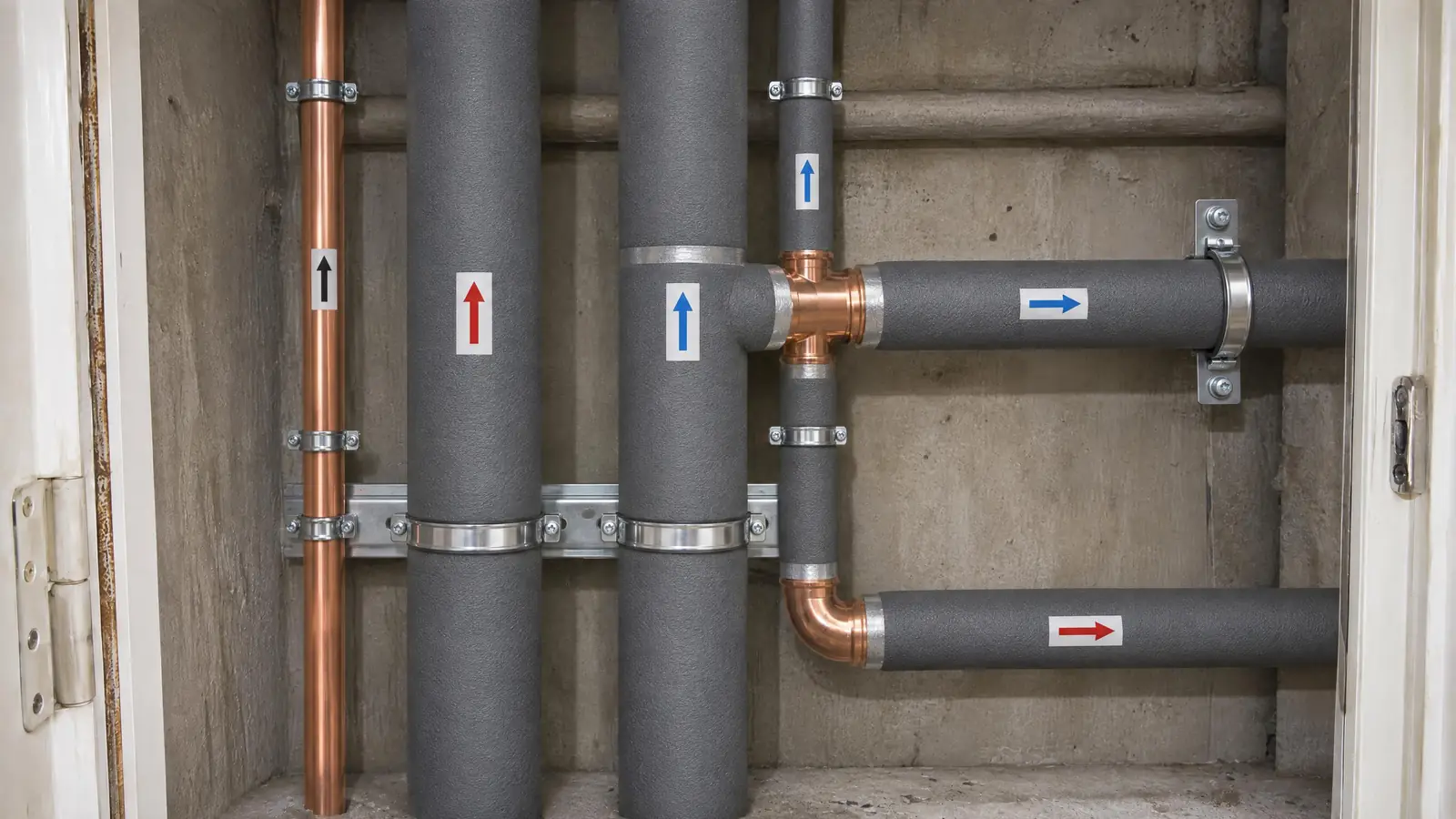
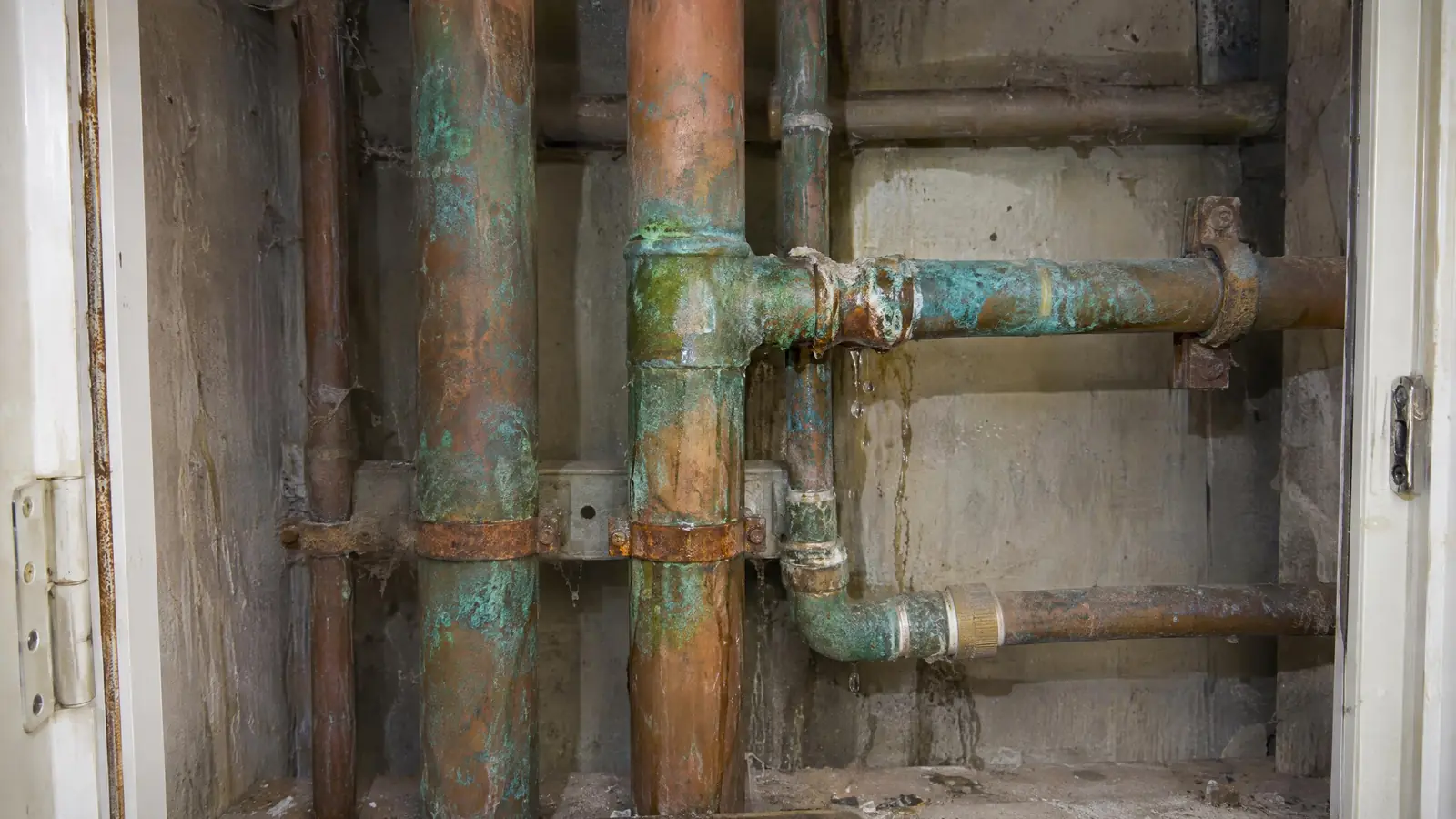
Illustration, not a Proximity job
Corroded copper risers in a service cupboard, replaced with new lagged and labelled pipework. Illustration, not a Proximity job.
YOUR OPTIONS
Service, repair or replace
| Option | Best for | Pros | Cons | Disruption |
|---|---|---|---|---|
| Service | Pumps in good order | Catches wear early | Needs scheduling | Low |
| Repair | A failed float, seal or switch | Quick | Older pumps fail again | Low |
| Replace | Burnt-out or worn pumps | New warranty; can add a duty and standby pump | Higher cost | Medium |
INSPECTION AND MAINTENANCE
A pump maintenance routine
Our suggested routine. The manufacturer’s instructions come first.
| What | How often | Why it matters |
|---|---|---|
| Look and listen from outside the pit | Weekly, by building staff | New noises, constant running and smells are the first signs of trouble |
| Floats and the high-level alarm tested | At every plumber’s service, at least yearly | Alarms and floats fail silently until the night they are needed |
| Pump, impeller, seals and non-return valve | At least yearly; more often for busy kitchens and heavily used basements | Fat, wipes and silt wear pumps out faster |
| Pit cleaned of fat, silt and debris | Whenever the service finds build-up | Debris jams floats and impellers |
| Duty and standby changeover | At every service | Proves the standby pump will start when it is needed |
COMPLIANCE AND STANDARDS
Standards and paperwork
Pump replacements are plumbing and drainage work, and we give you a Certificate of Compliance where the law requires it (NSW Government). Electrical work is done by a licensed electrician.
Pump wells are confined spaces. SafeWork NSW requires a written risk assessment and an entry permit before anyone goes in (SafeWork NSW), so building staff should check pumps from outside the pit only. If sewage escapes to the street or a public place, Sydney Water’s 24/7 faults line is 13 20 90 (Sydney Water).
PROCESS AND TIMELINE
When a pump fails
1
Call
P1 if sewage is backing up: onsite within 30 minutes, 24/7.
2
Make safe
Temporary pumping or a temporary fix to keep the building running.
3
Repair or replace
Often the same day if the part is in stock.
4
Plan
A service schedule so it does not happen again.
WHAT IT COSTS
What pump work costs
Pump work is priced by the pump type and size, access to the pit, and whether a temporary pump is needed. A service costs far less than an emergency replacement. You get a fixed price before work starts.
The real cost of a failed pump is usually everything around it: a temporary pump, the clean-up of a flooded basement or kitchen, damaged stock, and a business that cannot trade. For buildings that cannot be without a pump, the upgrade to a duty and standby pair belongs in the capital works plan.
HOW TO BRIEF US
How to brief us
- What the pump serves: sewage, kitchen waste, basement stormwater or water pressure
- Photos of the pump’s data plate, the pit and the control panel. In the Paddington café job below, the owner’s photos meant we arrived with the parts
- Whether the alarm is sounding now, and how long it has been going
- Where the pit and the control panel are, and how we get keys or codes
- Which fixtures or areas drain to it, so people know what not to use
- Your trading or occupancy hours, if the permanent fix has to wait until after close
QUESTIONS TO ASK
Questions to ask about your pumps
- When was the alarm last tested? If nobody knows, it is overdue.
- How worn is the pump, and how long is it likely to last? Plan the replacement before the pump chooses the date for you.
- Do we need a standby pump? Ask what happens to the building if the only pump fails on a weekend.
- What would a temporary pump involve if it failed tonight? Know the plan before you need it.
CASE STUDY
From our job records
Hospitality · Cafe and bar, Paddington · July 2020
Waste pump failure during Saturday trade, Paddington cafe
The problem
The waste pump failed on a Saturday morning, during trade.
What we did
The owner sent photos so we could bring the parts. We made a temporary fix to keep the cafe trading, came back after close to replace the pump, and set up a maintenance program.
Outcome
The cafe kept trading.
Commercial · Commercial kitchen, Elizabeth Bay · August 2022
Burnt-out pump under a commercial kitchen, Elizabeth Bay
The problem
A blocked kitchen drain.
What we found
The commercial pump had burnt out.
What we did
Two plumbers pulled apart the drainage under the commercial sink, then supplied and installed a new pump.
QUESTIONS
Pump station questions
GUIDES
Guides and next steps
COMMERCIAL & STRATA
Explore Commercial & Strata
Who we help
Services

PUMP STATIONS
Keep your pumps running
Log a job if a pump has failed, or book a free health check of your pumps.
Planning ahead? Request our compliance pack, book a free building health check or invite us to your contractor panel.
Licensed NSW 285594C
24/7 priority response
Report and photos on every job
4.9 from 3,000+ Google reviews