

Commercial Stack and Riser Relining Sydney
Cast iron stacks and risers relined from the inside: no walls opened, residents stay home.
24/7 PRIORITY RESPONSE | WORK ORDERS | COMPLIANCE PACK



NOW SERVICING NORTH SYDNEY
WE ARE AVAILABLE
- NSW Contractor Licence 285594C
- 24/7 Priority Response
- 5,183 Commercial Jobs Since 2019
- Report and Photos on Every Job
- Invoices With Your PO and SP Number
- Onsite in 30 Minutes Guaranteed
THE SHORT ANSWER
In short
Stack and riser relining repairs the vertical drainage pipes in strata and commercial buildings from the inside, without opening walls. We use Brawoliner, a German-developed liner that is WaterMark certified in Australia, with a 50-year life expectancy and our 35-year installation guarantee. Every job starts and ends with a CCTV inspection.
HOW IT WORKS
How a stack works, and what relining does
A stack is the vertical pipe that carries waste from the toilets, showers, basins and kitchens on every floor down to the building’s main drain. Each lot joins it through a branch, called a junction. At the top, the stack carries on through the roof as a vent, which lets air in so the water seals in each trap are not sucked dry. That is why a narrowed or damaged stack shows up as gurgling and smells, not only as slow drains.
Stormwater risers that bring roof and balcony water down through the building work the same way, and fail in similar ways.
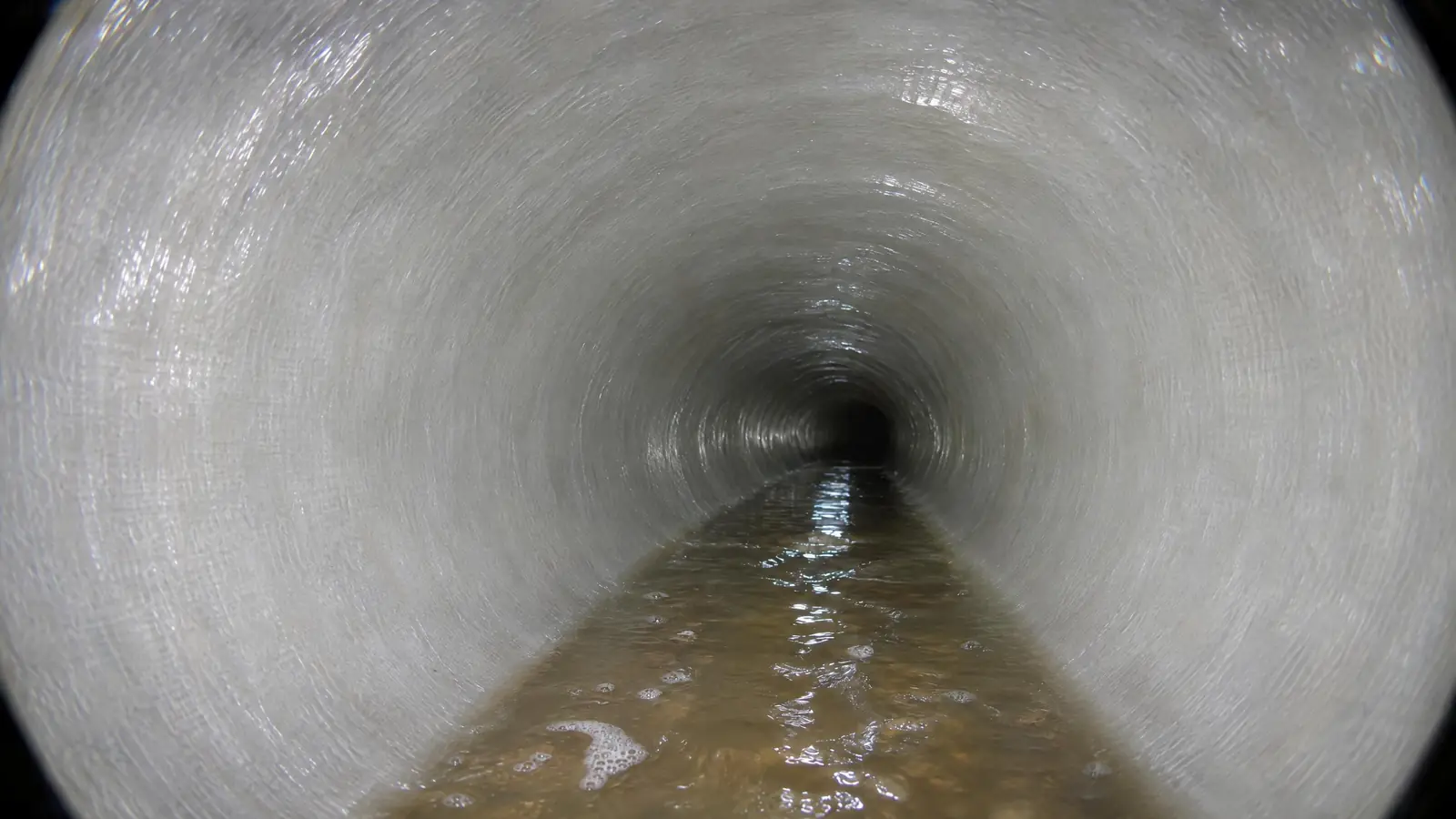
Relining builds a new pipe inside the old one. The stack is cleaned back to its wall, a resin-soaked Brawoliner liner is inverted into the pipe and pressed against the old wall, and the resin cures hard. Each junction is then reopened from the inside, so every lot reconnects without anyone opening a wall or a ceiling.
THE SIGNS
Signs your stack is failing
- Slow drains or repeat blockages in the lower lots
- Sewer smells in bathrooms or the stairwell
- Damp or stained walls along the stack
- Rust stains or weeping at joints in the plant room or car park
- Gurgling as other lots use water
- Repeat call-outs for the same stack
HOW URGENT IS IT?
Is it urgent?
| What you notice | What it usually means | How urgent |
|---|---|---|
| Sewage rising in the lowest lot’s shower or floor waste | The stack or the main drain below it is blocked, so waste from the upper floors has nowhere to go | Emergency. Ask residents to stop using water and call us: a sewer surcharge is P1, onsite within 30 minutes, 24/7 |
| A wet stain spreading on a wall or ceiling along the stack line | A cracked pipe or a failed joint is leaking into the wall cavity or the ceiling below | Urgent. Book within days, before the plaster and the lot below are damaged |
| A sewer smell in one bathroom or on one landing | A weeping joint, a cracked vent or a trap seal being pulled dry | Soon. Book an inspection; sewer smells rarely fix themselves |
| The same lot blocked twice in a year | Scale or a defect is narrowing the stack at that level | Plan. Put a camera down the stack before paying for another clear |
| Rust and weeping at exposed joints in the car park | The cast iron is corroding where you can see it, and probably where you cannot | Plan. Put the stack into the 10-year capital works plan |
WHAT CAUSES IT
Why stacks fail in older buildings
Most Eastern Suburbs walk-ups built before the 1970s have cast iron stacks. Over decades the inside rusts and builds up scale, which narrows the bore until paper and waste catch on it, and joints and seams begin to weep. Many stacks have also had short lengths of PVC joined in during earlier repairs, and the joins between old and new are a common place for leaks.
Roots are rarely the cause inside a stack, but they often are in the clay main drain the stack runs into, so a blockage on the ground floor is not always the stack’s fault. The camera tells the two apart.
HOW WE DIAGNOSE IT
How we diagnose it
A CCTV camera down the stack from the roof vent or an inspection opening shows rust, scale, cracks and failed joints, floor by floor. You get the footage and a written report, and we tell you whether relining suits the pipe or a section needs replacing.
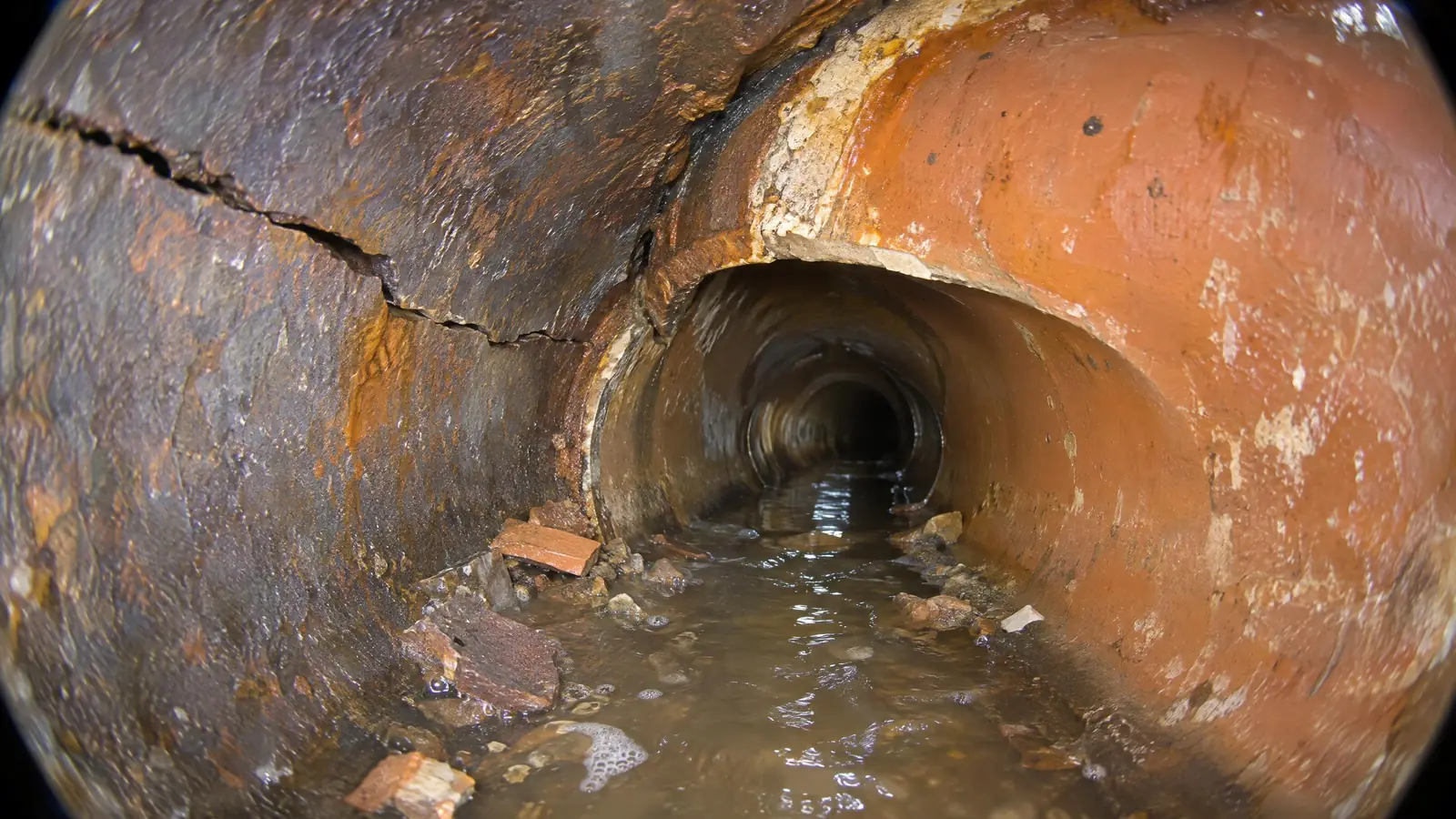
We look at how much of the bore the scale has taken, cracks running along the pipe, joints that have opened, junctions that stick into the stack, and any length that has lost its round shape. A liner needs a pipe that still holds its shape, so a deformed or collapsed length is cut out and replaced before the rest is lined.
BEFORE AND AFTER
See the difference
A real relining job first, then illustrations of what relining fixes. Drag the handle to compare.
Real job: cracked pipe
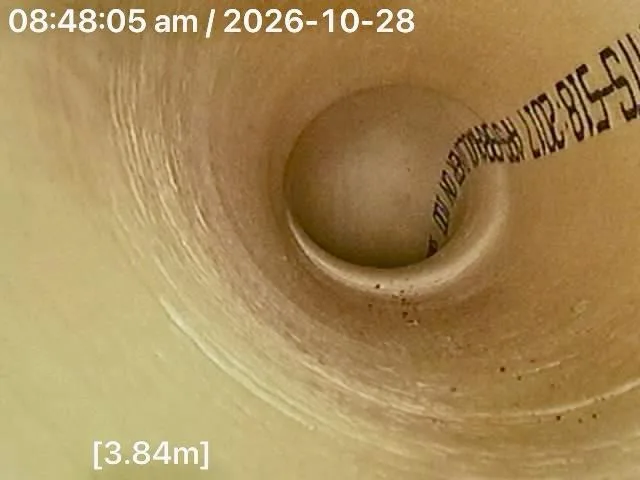
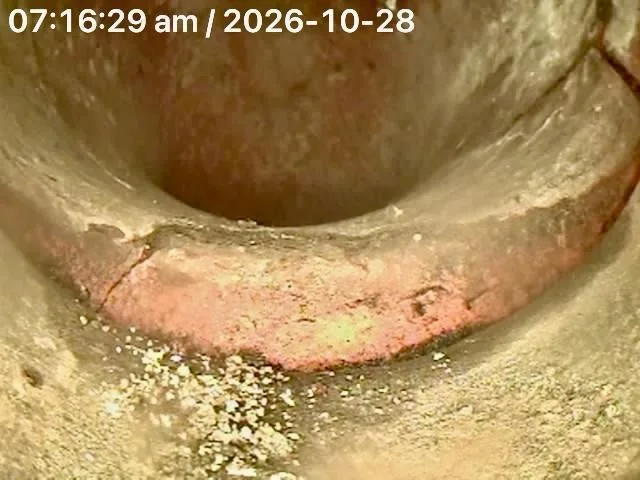
CCTV stills from one of our relining jobs, 28 October 2026: the old pipe with a cracked joint and loose debris, then the finished liner, 3.84 metres in. A real Proximity job.
Roots in a clay pipe
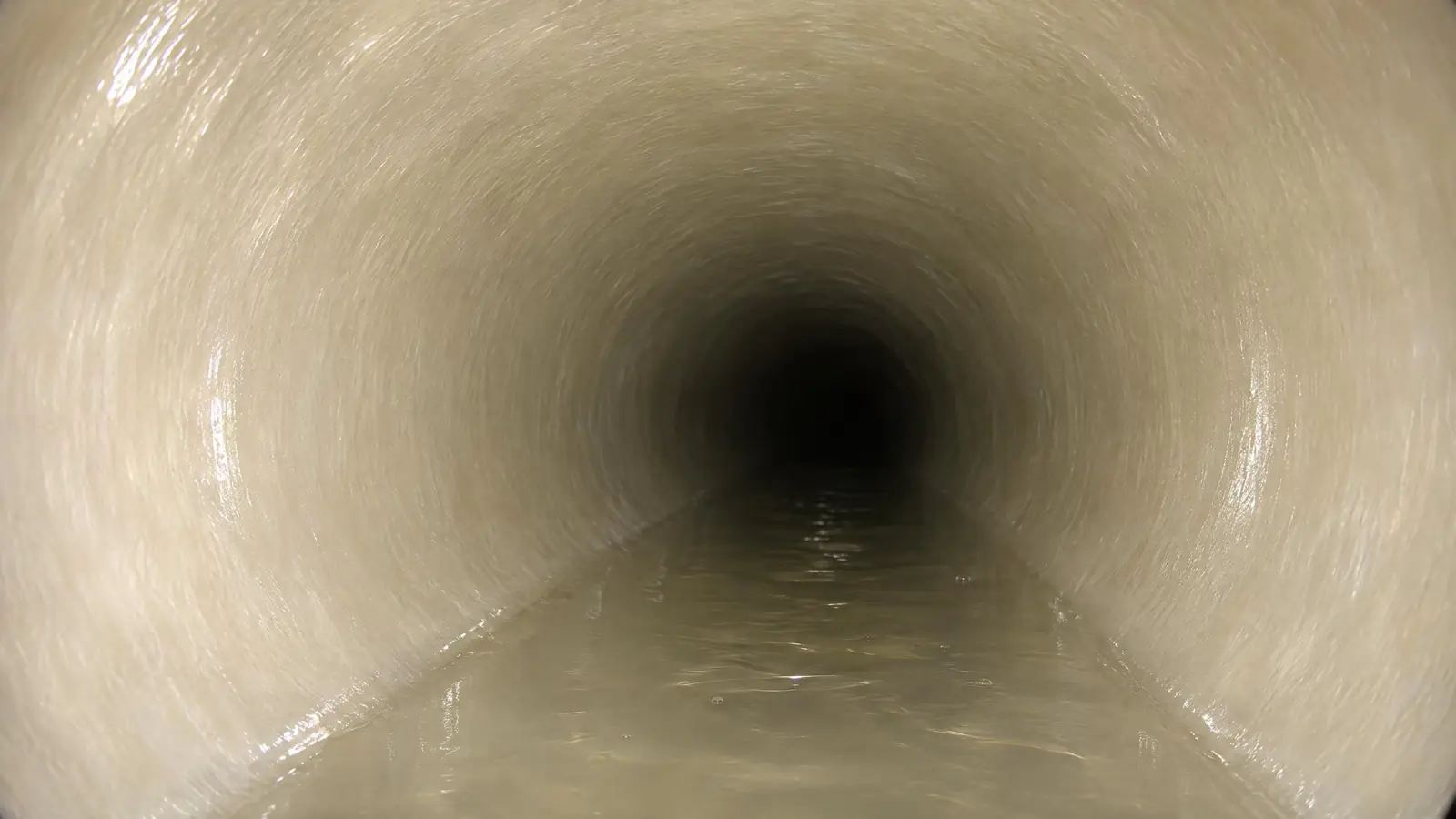
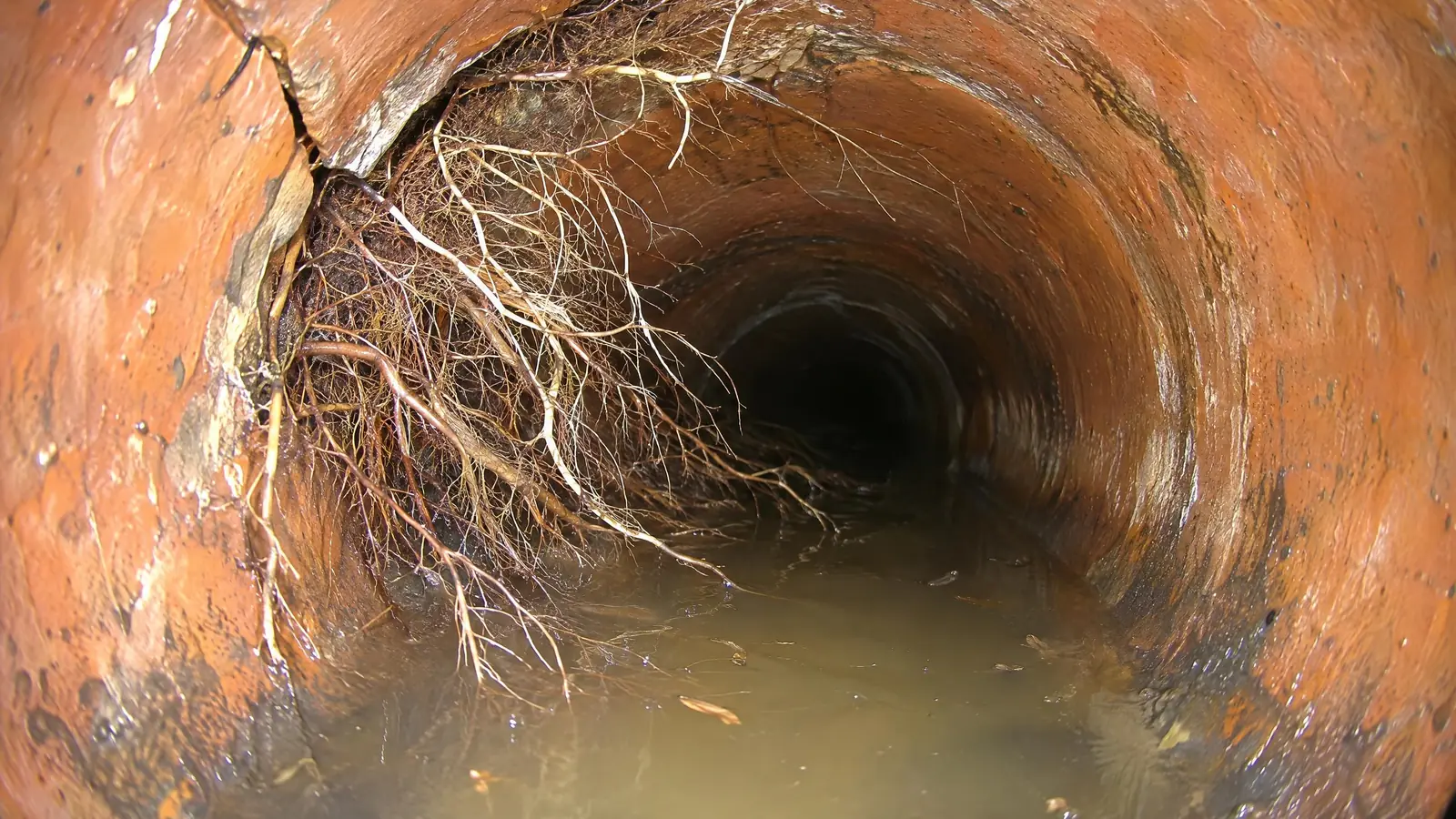
Illustration, not a Proximity job
Tree roots growing in through a cracked joint, then a seamless liner with no joints for roots to find. Illustration, not a Proximity job.
Cracked, displaced joint
Illustration, not a Proximity job
A cracked pipe with a displaced joint, then a liner that bridges both with no digging. Illustration, not a Proximity job.
YOUR OPTIONS
Repair, reline or replace
| Option | Best for | Pros | Cons | Disruption |
|---|---|---|---|---|
| Reline | Stacks that are sound enough to hold a liner | No walls opened; 50-year life expectancy; 35-year installation guarantee | Needs access at the top and bottom; badly collapsed sections must be cut out first | Low: residents stay home, water off for short periods |
| Patch repair | One cracked section | Fast and targeted | Fixes one spot, not the whole stack | Low |
| Replace | Collapsed or very short sections | All new pipe | Walls, ceilings and finishes opened and made good | High: weeks of work inside lots |
INSPECTION AND MAINTENANCE
When to inspect a stack
| What | How often | Why it matters |
|---|---|---|
| Baseline CCTV of each stack | With a building health check, or before the capital works plan is written | Turns a guess about pipe age into a condition the committee can see and budget for |
| Repeat CCTV | When the 10-year plan is reviewed: at least every five years, with a yearly review recommended (NSW Government) | Shows whether scale and cracks are getting worse, using the first video as the baseline |
| A camera after a repeat blockage | Before the second clear in a year at the same level | Clearing again without looking can hide a crack or a collapse |
| Exposed stack sections in car parks and plant rooms | A look at every Building Care visit | Rust, weeping and stains you can see are the early warning for the pipe you cannot |
| After relining | A final CCTV run on completion, kept with the building records | The record of the finished liner and every reopened junction |
COMPLIANCE AND STANDARDS
Standards and paperwork
Relining is regulated drainage work. In NSW we lodge a Notice of Work and give you a Certificate of Compliance for the building records (NSW Government). The liner we use is WaterMark certified for use in Australia.
A stack usually serves several lots, so it is generally common property, which the owners corporation must repair and maintain; your by-laws can change that. Where the owners corporation approves work valued at $30,000 or more, it must get at least two independent quotes (NSW Government, strata repairs).
WHAT YOU RECEIVE
What our stack report gives the committee
- The video of each stack, with the floor and distance of every defect
- Still photos of the worst sections, so owners can see them without watching the footage
- The pipe material and size where the camera shows them, and any earlier repairs
- Which lots join the stack at each junction
- A recommendation for each section: leave, patch, reline or replace, and why
- A fixed price for each option, and what each means for residents
- A notice for residents with the dates and the times their fixtures will be out of use
PROCESS AND TIMELINE
How a stack relining job runs
1
CCTV and quote
Camera inspection, report and a fixed price.
2
Notice to residents
We give you a notice with the dates and short water shutdowns.
3
Clean
The stack is jetted and descaled so the liner bonds.
4
Reline
The liner is inverted into the stack and cured, often with steam where pipes run down several floors.
6
CCTV after
A final camera run and the footage for your records.
WHAT IT COSTS
What stack relining costs
Half of our 35 priced commercial and strata relining jobs since 2019 cost between $4,235 and $11,676, including GST, with a median of $7,150. Those figures cover every kind of relining, from a short length of drain to a full stack.
What moves the price: the pipe diameter, the number of floors, how many junctions need reopening, how much scale must come off before the liner can bond, access at the top and bottom of the stack, and whether a collapsed length has to be cut out first. Work outside business hours to suit a commercial tenancy also adds to it. You get a fixed price after the CCTV inspection.
For the budget, compare the stack with what it already costs you. At our median commercial and strata blocked sewer drain job of $1,045, four clears a year come to $4,180, more than half the median relining job, and the blockages keep coming. See our pipe relining cost guide.
HOW TO BRIEF US
How to brief us
The more we know before the camera goes in, the more useful the first visit is.
- The strata plan number, the building’s age, and how many floors and lots the stack serves
- Which lots have had blockages, leaks or smells, and roughly when
- Where the roof vent and any inspection openings are, and how we reach the roof
- Any earlier CCTV footage, reports or invoices for the stack
- Your approval limit, and whether the work will go to the committee or a general meeting
- How residents like to be told about work: email, lift notices or both
QUESTIONS TO ASK
Questions to ask before you approve stack work
- Can you show me each defect on the footage? Every recommendation should point to something you can see.
- Which sections will be relined, and which replaced? A quote that relines everything without saying why may be lining pipe that does not need it, or pipe that cannot hold a liner.
- How many junctions will be reopened, and how will you check them? Each one should appear on the final CCTV.
- Is the liner WaterMark certified, and what guarantee comes with the installation? Ours is Brawoliner, with a 50-year life expectancy and our 35-year installation guarantee.
- How long will each lot be without its fixtures? Residents need the times in writing before the day.
- Will we receive a Certificate of Compliance? It belongs in the building’s records for the next sale or insurance renewal.
FROM OUR RECORDS
Relined or replaced: what our strata records show
Relining is not the answer for every pipe. Across our strata jobs since 2019, 130 ended with a pipe relined and 144 with a section excavated and replaced. In the strata job below, rust and scale had built up so badly that jetting could not clear the stack, so it was replaced with new PVC rather than relined. A CCTV inspection is what tells the two apart.
CASE STUDY
From our job records
Strata · Strata block, Clovelly · March 2023
Cast iron stack replaced in a Clovelly strata block
The problem
Residents had constant blockages.
What we found
A CCTV camera showed the building’s cast iron stack was badly rusted and built up inside.
What we did
Jetting couldn’t clear it, so we replaced the stack with new PVC pipe. Residents were told in advance that water would be off for 2 to 4 hours.
QUESTIONS
Stack relining questions
GUIDES
Guides and next steps
COMMERCIAL & STRATA
Explore Commercial & Strata
Who we help
Services

STACK RELINING
Find out if your stack can be relined
Book a CCTV inspection through a free health check, or log a job now.
Planning ahead? Request our compliance pack, book a free building health check or invite us to your contractor panel.
Licensed NSW 285594C
24/7 priority response
Report and photos on every job
4.9 from 3,000+ Google reviews