

Church and Heritage Plumbing Contractor Sydney
Old pipes, irreplaceable buildings and a calendar of services: plumbing that respects all three.
24/7 PRIORITY RESPONSE | WORK ORDERS | COMPLIANCE PACK



NOW SERVICING NORTH SYDNEY
WE ARE AVAILABLE
- NSW Contractor Licence 285594C
- 24/7 Priority Response
- 5,183 Commercial Jobs Since 2019
- Report and Photos on Every Job
- Invoices With Your PO and SP Number
- Onsite in 30 Minutes Guaranteed
THE SHORT ANSWER
In short
Proximity Plumbing looks after the plumbing in churches, synagogues, community halls and heritage buildings. Old cast iron and terracotta drains can often be relined from the inside, with no digging through floors or historic grounds. We plan work around services and events, and check any heritage approvals with you before work starts.
WE UNDERSTAND YOUR JOB
What heritage buildings need
Old pipes
Cast iron stacks, terracotta drains and lead or galvanised supply lines, often decades past their expected life.
Nothing can be dug up lightly
Floors, stonework, gardens and graves around the building make excavation slow, costly or not possible.
Services and events
Weddings, funerals, worship and community use leave short windows for work.
Approvals
Listed buildings may need heritage approval before some work, and the right paperwork afterwards.
HOW WE WORK WITH YOU
How we work with churches and heritage buildings
1
CCTV first
We find out what the pipes are made of and how they have failed before suggesting anything.
2
Least intrusive fix
Relining or patching from the inside where it suits, so original fabric stays untouched.
3
Planned around you
Work booked around services, events and community use, with the site left clean each day.
4
Records
A report with photos and CCTV footage for the building’s records and any heritage file.
BEFORE AND AFTER
See the difference
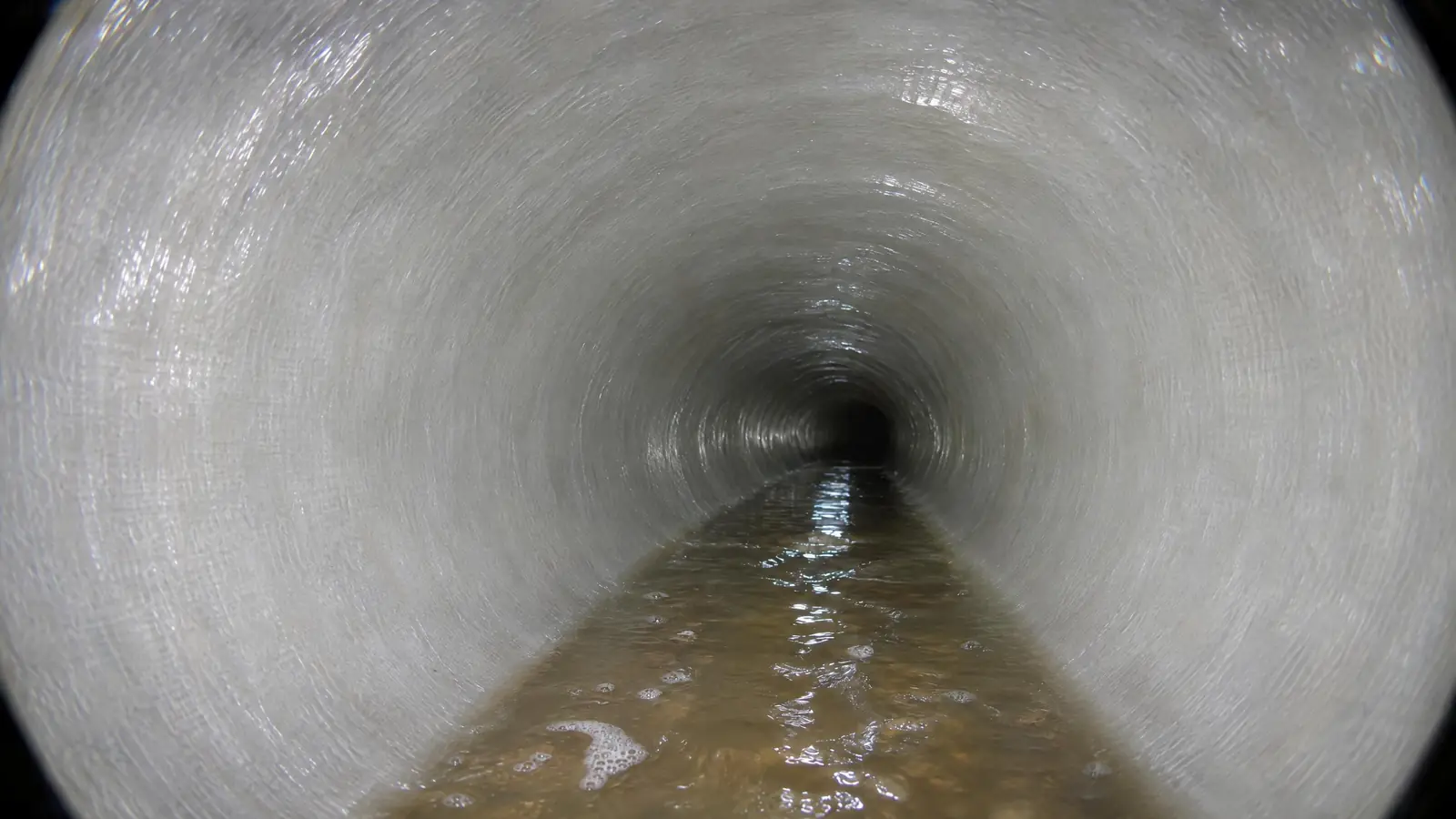
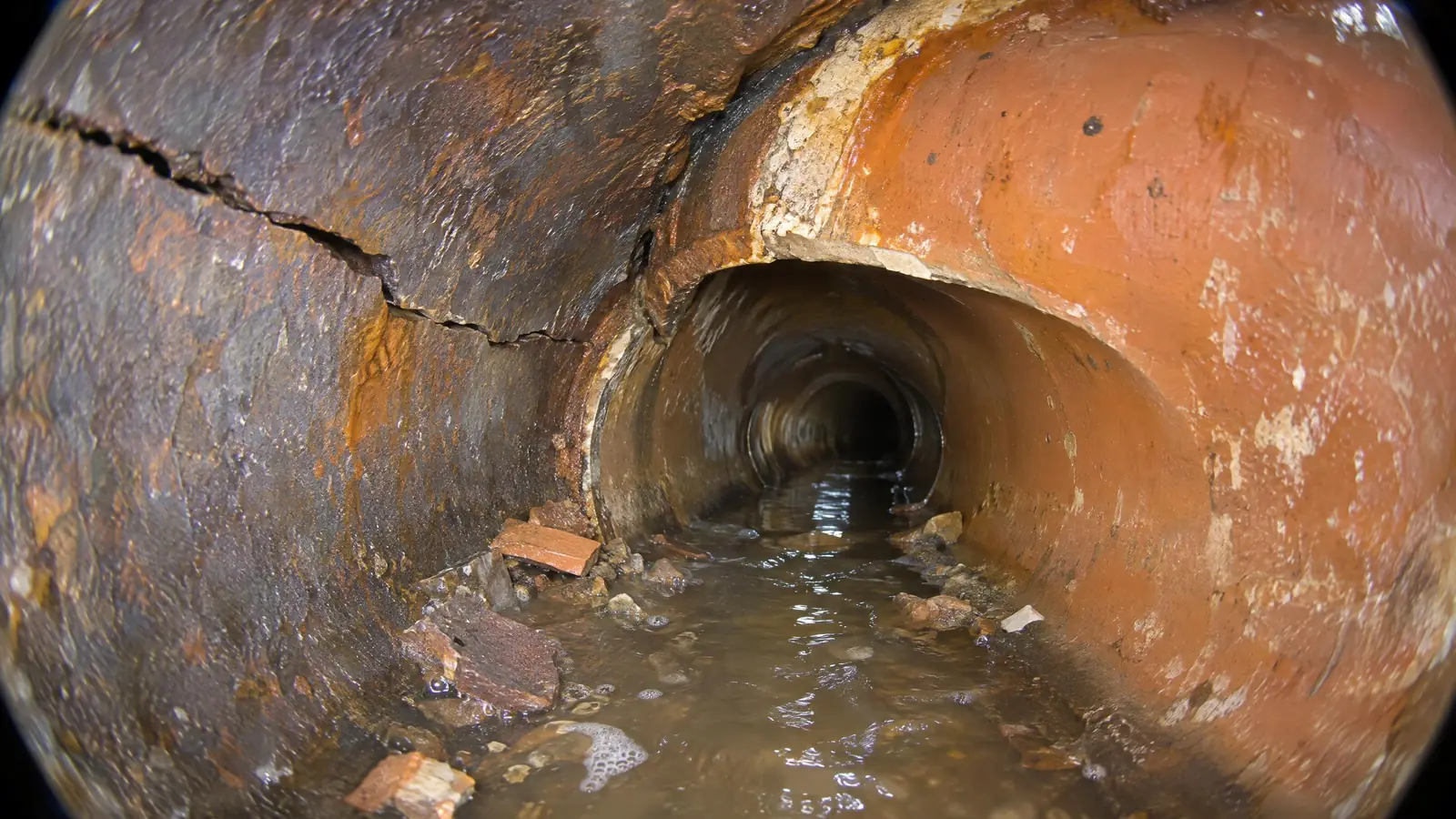
Old pipes repaired from the inside, with no digging. Drag the handle to compare.
Real job: cracked pipe
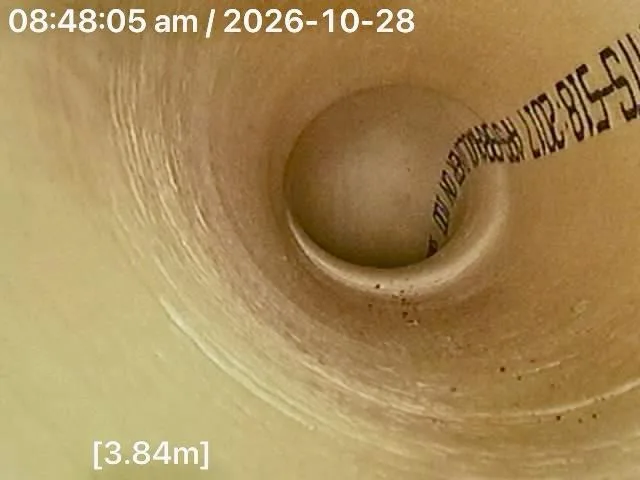
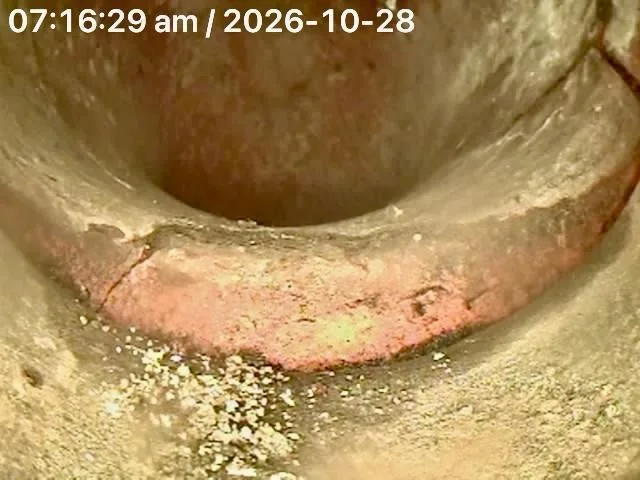
CCTV stills from one of our relining jobs, 28 October 2026: the old pipe with a cracked joint and loose debris, then the finished liner, 3.84 metres in. A real Proximity job.
Roots in a clay pipe
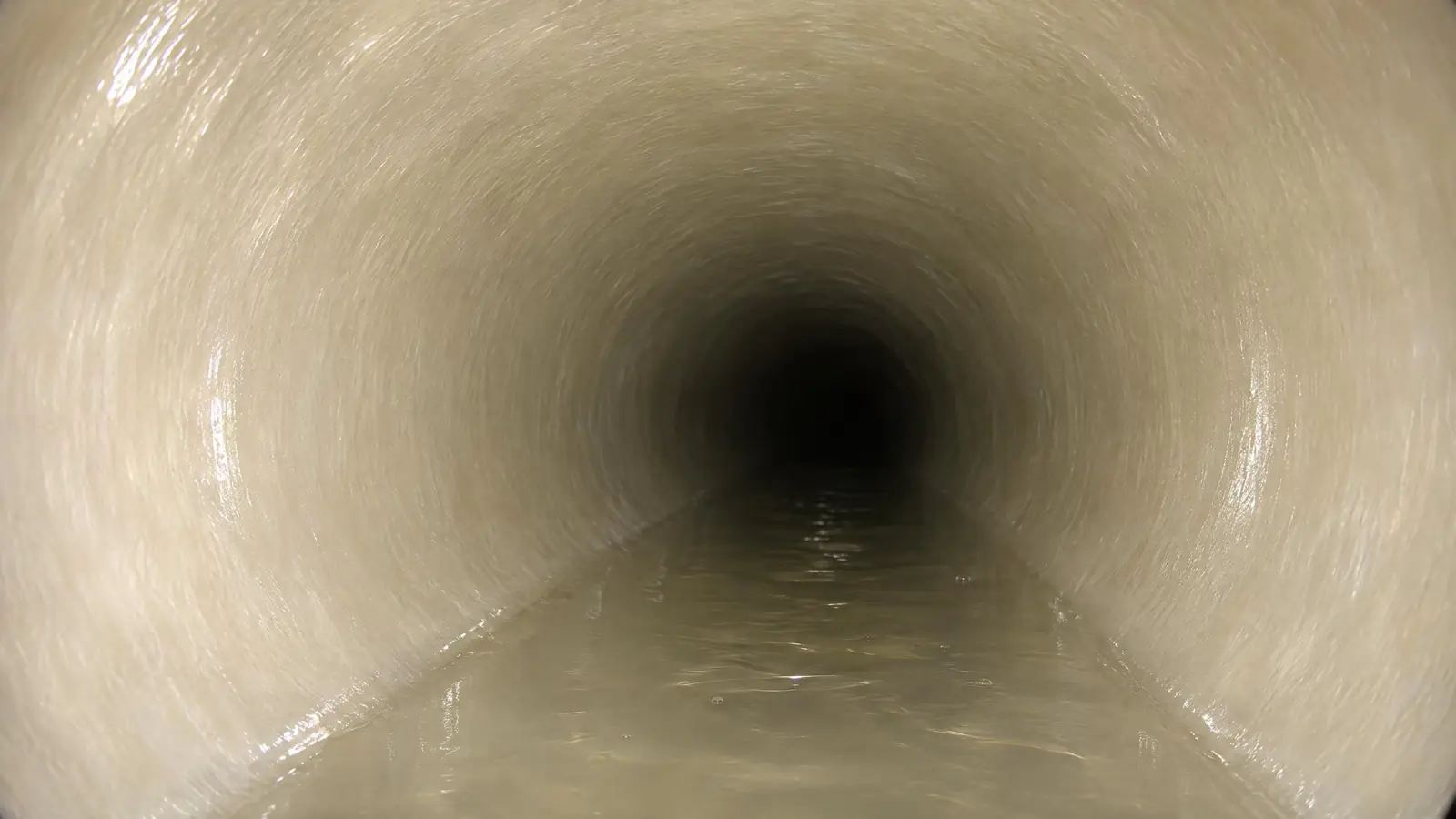
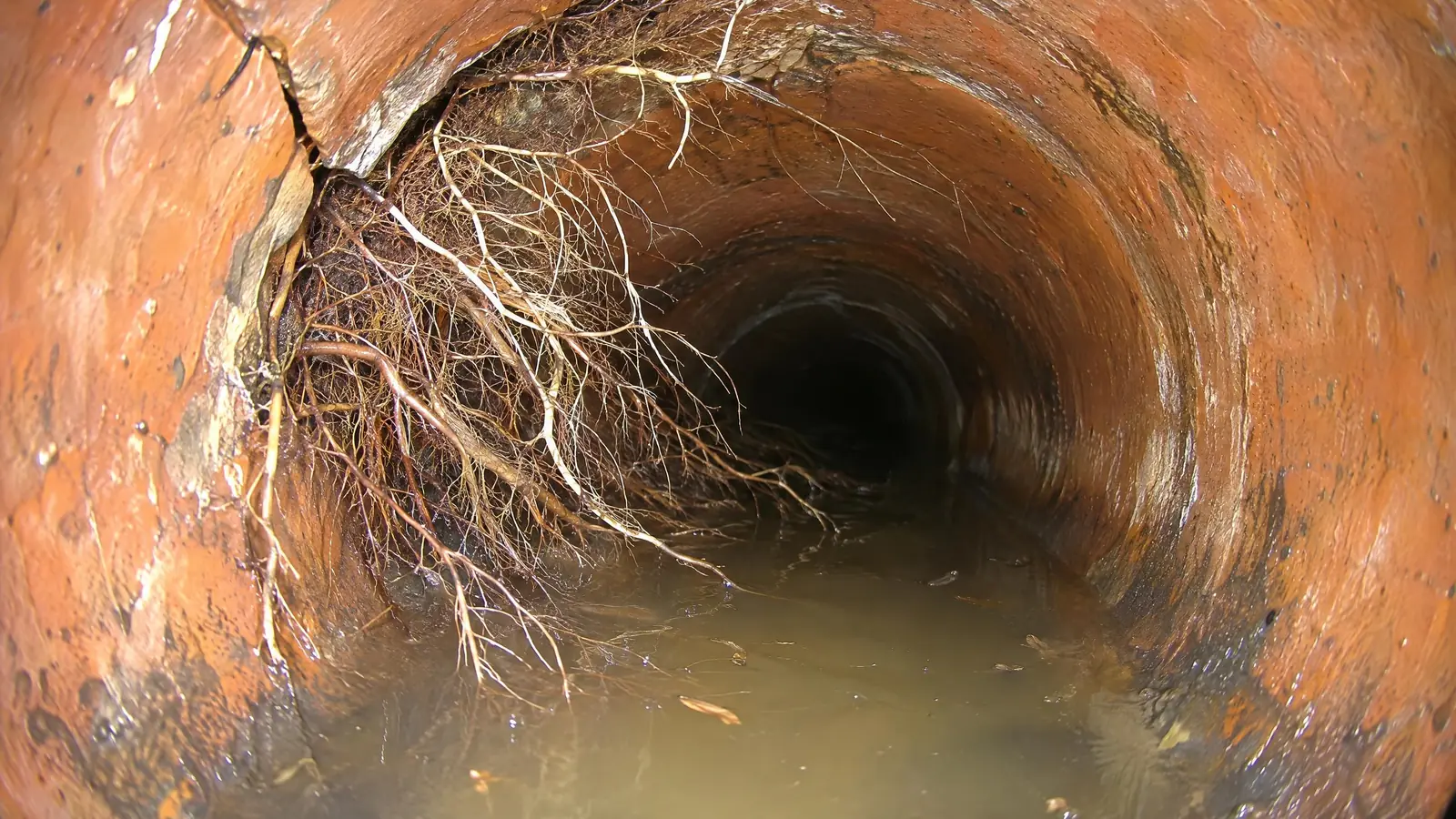
Illustration, not a Proximity job
Tree roots growing in through a cracked joint, then a seamless liner with no joints for roots to find. Illustration, not a Proximity job.
Cracked, displaced joint
Illustration, not a Proximity job
A cracked pipe with a displaced joint, then a liner that bridges both with no digging. Illustration, not a Proximity job.
HERITAGE
Heritage buildings and approvals
If your building is listed on the State Heritage Register or in a council’s local environmental plan, some work may need approval before it starts. Like-for-like maintenance and repair is often covered by standard exemptions, but this depends on the listing and the work. We check the scope with you, and with your heritage advisor or council where needed, before work begins.
For items on the State Heritage Register, standard exemptions cover maintenance, minor repairs and non-significant services such as plumbing; work outside them needs approval before it starts (NSW Heritage, standard exemptions). Locally listed buildings follow the council’s rules.
OLD PIPES
What we find in older buildings, and how we deal with it
| What you have | What usually goes wrong | What we suggest |
|---|---|---|
| Cast iron stacks and drains | Rust and scale narrow the pipe; joints weep and crack | CCTV first, then relining where the pipe still holds its shape |
| Terracotta or clay drains under the grounds | Tree roots get in at the joints; joints shift and crack | Relining seals the joints without digging up the grounds |
| Lead or galvanised water pipes | Corrosion, falling pressure and discoloured water | Replace in planned stages, using existing routes where possible |
| Box gutters, rainheads and ornate downpipes | Leaves and silt block the outlets; old metal rusts through | Clear before storm season; repair with materials that suit the building |
| Halls, kitchens and toilets added over the years | A mix of pipe materials, and weak joins between old and new | Map what is there before planning any work |
Tree roots in the drain line were the second most common cause we recorded on strata jobs since 2019 (223 jobs), and they are the usual problem in old clay drains under lawns, gardens and churchyards.
BUILDINGS USED NOW AND THEN
Drinking water in a building that sits empty between services
Halls and churches are often empty for days between services and events, so water sits still in the pipes. NSW Health notes that old pipes may have been soldered with lead, and advises that after water has sat in the pipes for a long time, you flush the cold taps for 2 to 3 minutes before using the water for drinking or cooking, and only use the cold tap for drinking (NSW Health). The flushed water can go on the garden.
If you collect rainwater from an old roof, NSW Health also advises against collecting it from roofs painted with high-lead paint or with uncoated lead flashing. Replacement pipes and fittings should comply with AS/NZS 4020 or carry WaterMark certification.
AROUND YOUR CALENDAR
Planning work around services and events
Tell us the fixed points first: regular services, weddings, funerals, festivals and hall bookings. Noisy work, water shutdowns and anything that closes a toilet block is booked around them, and a larger job such as relining can be split across several quiet days.
Funerals are rarely known far ahead, so tell us how the parish office or building manager will reach us if work needs to pause. The site is left clean and safe at the end of each day.
IF DIGGING IS NEEDED
Relics, records and the plumbing rules
Relining avoids most digging, but a collapsed section sometimes has to be opened. If relics are uncovered, work must stop in that area and the Heritage Council must be notified in writing under section 146 of the Heritage Act 1977. If Aboriginal objects are found, excavation must stop and the find must be reported under section 89A of the National Parks and Wildlife Act 1974 (NSW Heritage).
Standard exemptions are self-assessed before work starts, and NSW Heritage suggests keeping records of exempt work for at least 7 years. Heritage exemptions do not replace the plumbing rules: regulated work still needs a Notice of Work, a Certificate of Compliance and, for drainage, a Sewer Service Diagram (NSW Government).
SERVICES
The services you use most
Stack and riser relining
Cast iron stacks relined from the inside, with no wall demolition.
CCTV drain surveys
Camera inspections with the video and a written report.
Drainage and stormwater
Sewer and stormwater lines, pits and car park drainage.
Box gutters and roof plumbing
Box gutters, rainwater heads and downpipes kept clear and sound.
Leak detection
Thermal, acoustic and pressure testing before anything is opened up.
Backflow testing
Yearly tests by a Sydney Water registered tester, results lodged.
BUILDING CARE
Planned care for older buildings
Older buildings reward planning. A free health check and a 10-Year Plumbing Plan show which pipes need attention first, so the work can be budgeted and timed around the calendar.
YOUR COMMERCIAL TEAM
Who looks after your account
One family business, one commercial team. Every enquiry is answered within 15 minutes, by people you can name.


Isabella Marfé
Business Partnerships Manager
Your first point of contact
AL
Alex Letowski
Commercial Manager
Main contact for strata and building managers
RD
Ruby Douglass
Commercial Dispatcher
Books every commercial job

Harriet Burns
Contracts Administrator
Plans bigger jobs before we arrive

FP
Florence Pinat
Commercial & Schools Coordinator
Commercial and schools jobs
RN
Rose Navarro
Strata Coordinator
Strata work orders and access
PM
Peter Mahony
Service Manager
Leads the plumbers on the road
QUESTIONS
Questions from churches and heritage buildings
GUIDES
Guides and next steps
COMMERCIAL & STRATA
Explore Commercial & Strata
Who we help
Services

CHURCHES AND HERITAGE
Look after the building without harming it
Book a free health check, or log a job if something needs fixing now.
Planning ahead? Request our compliance pack, book a free building health check or invite us to your contractor panel.
Licensed NSW 285594C
24/7 priority response
Report and photos on every job
4.9 from 3,000+ Google reviews